
September 18, 2026
Workplace safety depends on more than simply providing employees with protective clothing. Poor fit, weak materials, limited visibility, and uncomfortable designs can reduce protection and make workers less likely to wear safety garments correctly. Choosing the right Industrial Workwear Supplier can help businesses address these problems before they affect daily operations.
From construction sites to manufacturing floors, safety wear must match the working environment and the risks employees face. Moreover, consistent quality becomes especially important when businesses order workwear in large quantities. In this blog, we explore five common safety wear issues and explain how the right supplier can help solve them with practical garment design, material selection, and quality control.
One of the most common workwear problems is inconsistent sizing. When garments are too tight, workers may have restricted movement, while oversized clothing can become a snagging or tripping hazard.
A professional supplier should provide clear size specifications and consistent measurements across production batches. This becomes particularly important for businesses ordering uniforms for large teams with different body types.
Proper sizing supports freedom of movement without leaving excessive loose fabric. An Industrial Workwear Supplier can also help buyers select suitable patterns, fits, and garment constructions based on the tasks employees perform.
For companies sourcing from a Workwear Manufacturer in Pakistan, requesting samples before placing a bulk order is a practical way to confirm measurements, fit, and comfort.
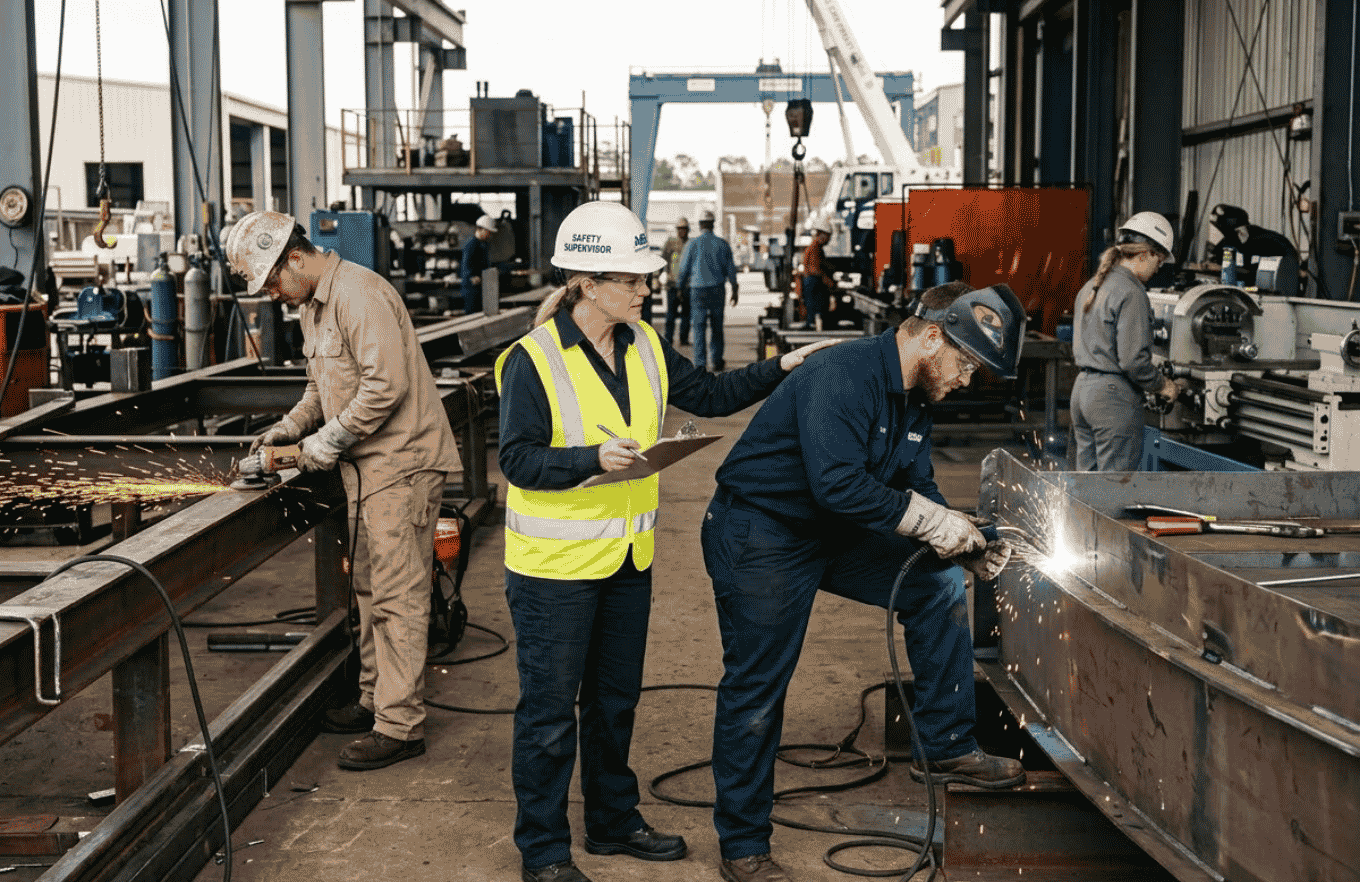
Workwear is exposed to repeated movement, friction, washing, and demanding workplace conditions. Low-quality fabrics can develop tears, thinning areas, or damaged seams much sooner than expected.
A Safety Clothing Manufacturer should consider fabric weight, construction, stitching, and reinforcement when developing garments for demanding applications. Furthermore, material selection should reflect the actual working environment rather than relying on appearance alone.
Heavy-duty canvas, cotton blends, twill, and specialized protective fabrics can serve different purposes. The correct choice depends on exposure, movement, climate, and required protection.
Samad Group focuses on practical garment construction and material selection for workwear applications where durability and everyday usability matter.
Visibility can become a serious concern for workers operating near vehicles, machinery, roads, or poorly lit areas. Standard clothing may not provide enough visual contrast to make workers easily noticeable.
High-visibility garments can address this concern by incorporating suitable fluorescent backgrounds and, where applicable, reflective components.
A Safety Clothing Manufacturer needs to consider where reflective elements are positioned and how they perform during normal worker movement. Poorly placed reflective details may become less effective when covered by equipment or folded during activity.
Most importantly, buyers should select garments according to the relevant workplace risk assessment and applicable safety requirements rather than choosing high-visibility clothing based only on appearance.
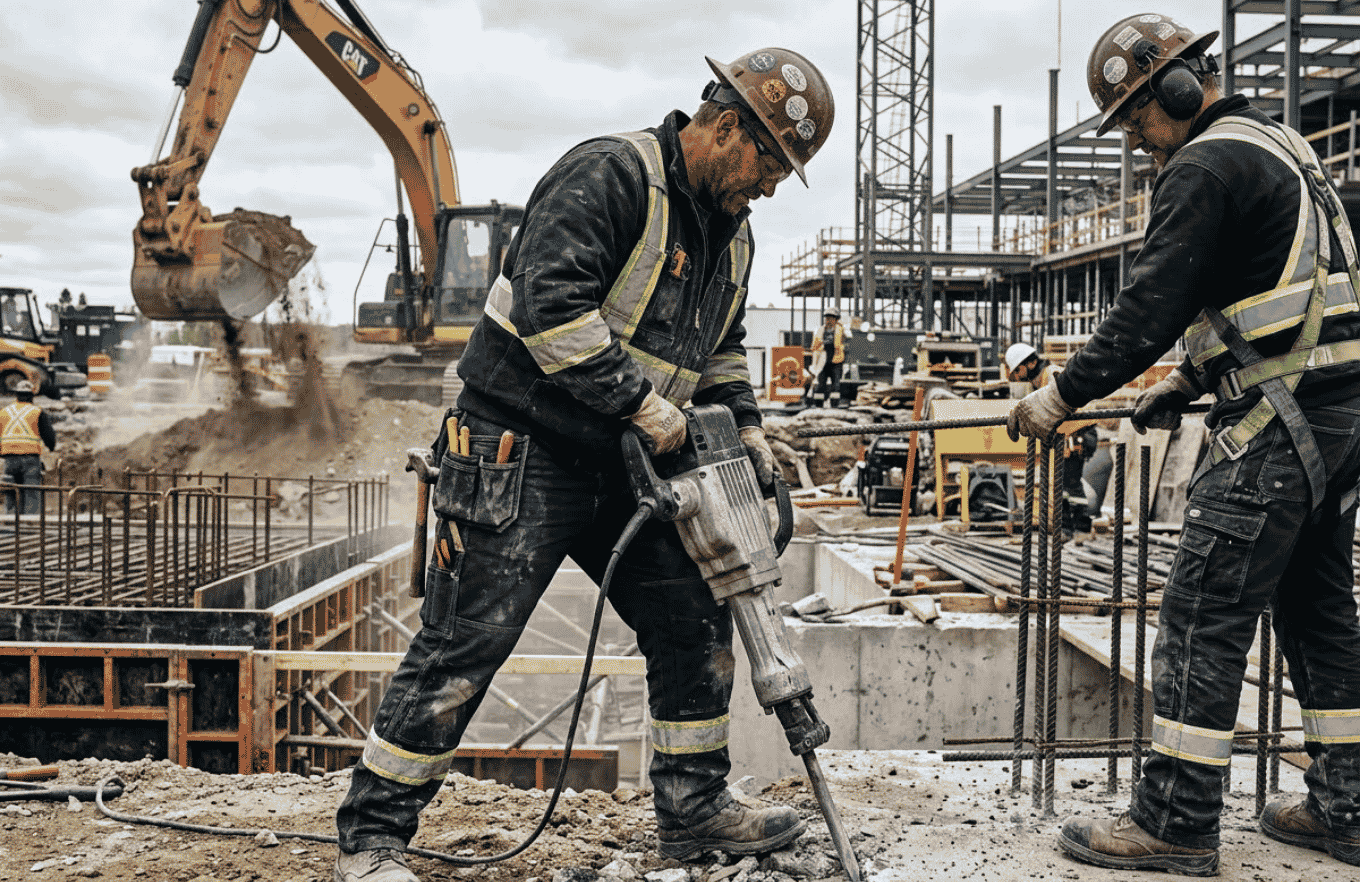
Even well-made protective clothing can become a problem if workers find it uncomfortable. Excessive weight, poor ventilation, restrictive designs, or unsuitable fabrics can make employees adjust, remove, or incorrectly wear garments during shifts.
Comfort therefore has a direct connection with practical safety.
A suitable Workwear Manufacturer in Pakistan can help businesses consider breathable materials, functional pockets, ergonomic cuts, adjustable features, and appropriate garment weights.
Samad Group of Industries also recognizes that workwear needs to support everyday movement rather than simply look protective. Furthermore, designs should reflect the physical demands of the job, whether employees are standing, lifting, climbing, or moving continuously.
Large workwear orders introduce another challenge: maintaining consistent quality across hundreds or thousands of garments. Small differences in sizing, stitching, fabric, color, or finishing can create problems for businesses managing standardized uniforms.
This is where supplier quality control becomes essential.
An Industrial Workwear Supplier should have defined specifications for materials, measurements, construction, and finishing. Pre-production samples, production inspections, and batch-level checks can help identify inconsistencies before garments reach the customer.
A reliable Workwear Manufacturer in Pakistan should also communicate clearly about production specifications, lead times, and quality expectations. Samad Group takes a practical approach to maintaining consistency so businesses can manage workwear programs with greater confidence.
Choosing a supplier should involve more than comparing prices. Businesses should evaluate whether the supplier understands workplace requirements, can maintain specifications during bulk production, and provides clear communication throughout the ordering process.
Most importantly, buyers should explain the working conditions, employee activities, required garment features, and relevant compliance requirements before production begins. This allows the supplier to recommend workwear that fits the actual application.
Samad Group can support businesses looking for practical workwear solutions that combine functional construction with suitable materials and workplace-focused designs.
Safety wear works best when it fits properly, withstands regular use, provides appropriate visibility, remains comfortable, and maintains consistent quality across every order. Working with the right Industrial Workwear Supplier can help businesses address these issues before they become costly workplace problems.
Contact Samad Group today to discuss reliable workwear solutions tailored to your workforce, workplace conditions, and specific safety requirements.
Check sizing consistency, material quality, production capabilities, garment construction, quality-control processes, customization options, and communication standards before placing a bulk order.
A Workwear Manufacturer in Pakistan can maintain consistency through approved samples, defined specifications, material checks, production inspections, and final quality-control procedures.
A Safety Clothing Manufacturer can help businesses select suitable garment designs, materials, visibility features, and construction methods based on specific workplace risks and requirements.