
December 19, 2025
EVA foam has become a trusted material for creating steady, comfortable and long-lasting yoga mats. Many users want to know what makes this material stand out and why it remains the preferred choice for manufacturers. In this guide, we break down how EVA foam supports balance, improves grip and enhances comfort so yogis can focus on their practice without distractions. Samad Group works with materials that deliver dependable performance, and EVA foam continues to prove its value across the industry. As you explore its qualities, you will see how EVA foam shapes a better mat experience and long-term performance.
EVA foam offers a unique blend of softness and firmness, which helps maintain comfort during long yoga sessions. Its cushioning properties absorb pressure from hands, feet and knees, making each movement feel smoother. Unlike softer materials that compress too quickly, EVA foam keeps its shape for a longer time. This quality ensures that the mat remains supportive even after repeated sessions. Yoga mat users also value stability, and EVA foam creates a surface that helps prevent wobbling during balance poses. Samad Group recognises these consistent performance benefits, which is why EVA foam is frequently chosen for reliable yoga products.
EVA foam stands out because it offers dependable durability. Manufacturers choose it for mats designed to withstand daily wear without breaking down. The material resists tearing, cracking and moisture absorption, which helps maintain hygiene and longevity. Yoga practitioners appreciate that EVA foam mats remain lightweight while still offering solid performance. These features make EVA foam a widely accepted choice within the yoga community. Samad Group continues to work with EVA foam due to its proven track record of resilience across different environments and user conditions.
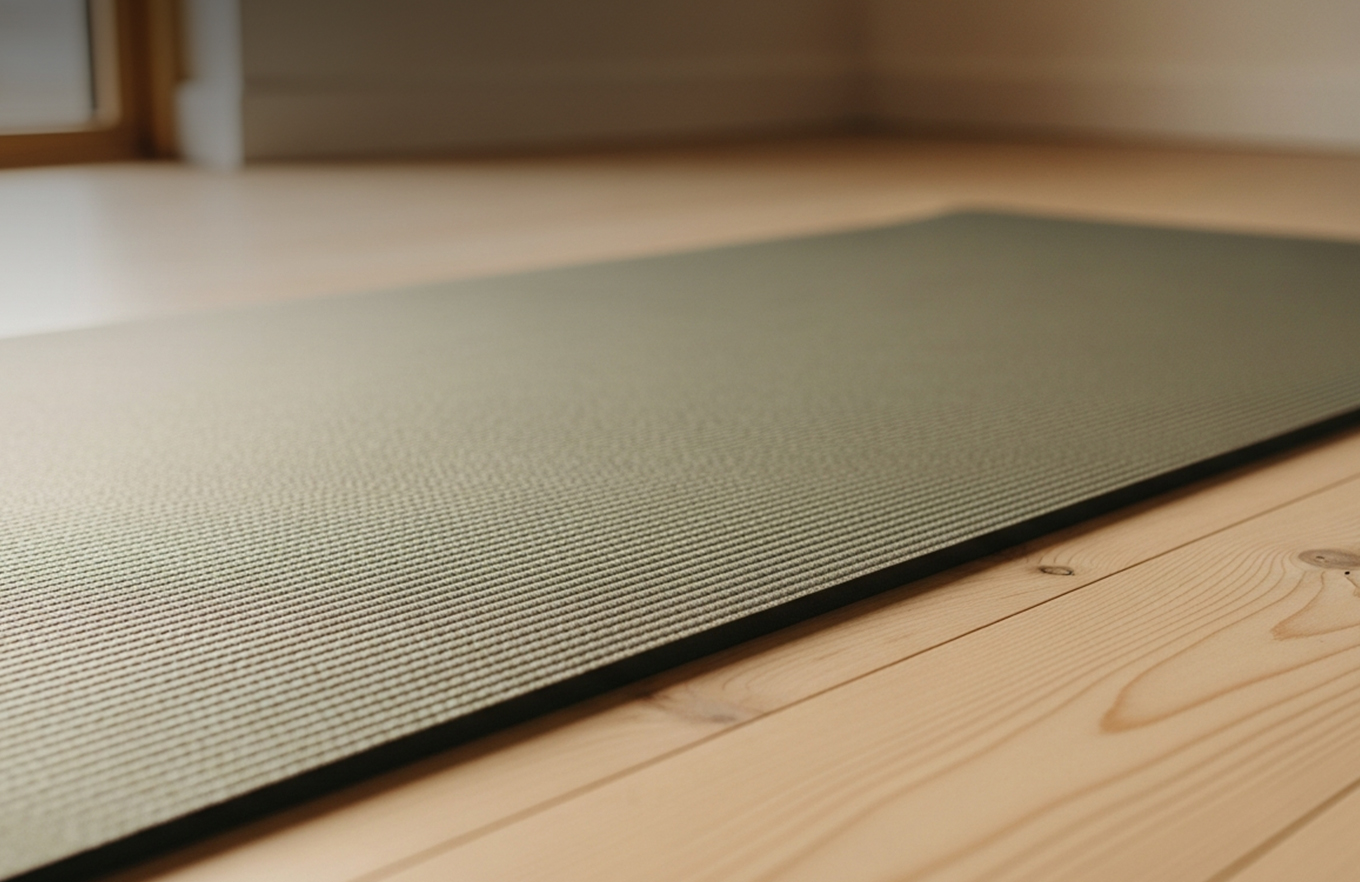
A good yoga mat must help prevent slipping, and EVA foam provides a textured surface capable of maintaining grip during both dry and sweaty sessions. This reliability improves user confidence when moving from one pose to another. The texture of EVA foam offers traction without feeling too rough, which makes it comfortable for long routines. The surface structure remains consistent over time, meaning the mat does not lose grip easily. Yoga mat users who practice dynamic styles such as Vinyasa or Power Yoga often prefer EVA foam for this reason. Samad Group keeps this performance requirement in focus when supporting manufacturers with material needs.
Yoga demands focus and strong body alignment. EVA foam mats create a stable base that helps the user maintain correct posture. The slight firmness supports balanced weight distribution, especially during advanced poses. Many mats made from EVA foam help practitioners build confidence as they push their limits. For beginners, the surface offers enough support to prevent sinking or sliding, which helps build proper form early on. Consistent alignment also reduces the chances of injuries, making EVA foam a safe and practical choice for daily yoga routines.
Durability is one of the biggest benefits users look for in yoga mats. EVA foam resists compression, so the mat does not flatten in areas where pressure is highest. This ability to spring back allows it to maintain performance for a longer time. The closed-cell structure prevents moisture from entering the material, reducing the growth of bacteria and unpleasant odours. Such qualities make EVA foam a hygienic option for users who work out regularly. Many yoga mat producers rely on this material because it reduces product returns and improves customer satisfaction across long-term usage.
There are many materials used in yoga mats, but EVA foam remains a standout option. Compared with rubber mats, EVA foam is lighter and easier to carry. Some users find rubber too heavy for daily travel to and from classes. EVA foam also offers a smoother surface compared with PVC mats, which can sometimes feel slippery. TPE mats have good flexibility, but they may lack the same level of durability under constant pressure. EVA foam strikes a comfortable balance between softness, grip, durability and weight. This balance explains why many brands and manufacturers continue to rely on it for mass production.

A yoga mat manufacturer benefits from EVA foam in several ways. It offers predictable performance, making it easier to design mats for different user levels. Manufacturers can choose thickness variations based on style needs, such as beginner mats, travel mats or advanced practice mats. EVA foam also allows for consistent colour quality, giving manufacturers more control over their product lines. Production processes remain smooth because the material responds well to cutting, shaping and embossing. This flexibility enables manufacturers to deliver mats that match both design trends and user expectations.
EVA foam is created using a combination of ethylene and vinyl acetate, resulting in a material that feels soft yet resilient. The closed-cell structure prevents water and air from passing through, giving the foam its distinctive bounce. This controlled structure is what supports cushioning and grip. Knowing the science behind EVA foam helps users understand why their mats stay comfortable, stable and long-lasting. Manufacturers appreciate that this structure also supports safety by reducing impact during floor-based exercises. This material science is part of what keeps EVA foam at the centre of yoga mat production today.
Yoga practitioners appreciate materials that support both comfort and performance. EVA foam offers these elements without overwhelming the user with weight or harsh texture. Daily practice demands a material that can adapt to different styles and intensities. Whether someone is working on flexibility, balance or slow breathing exercises, EVA foam provides a supportive surface each time. Many yogis also enjoy how easy it is to clean, adding to the overall experience. This ease of maintenance makes EVA foam mats a practical choice for both home and studio sessions.
As yoga grows globally, so does the demand for mats made with reliable materials. EVA foam has earned a strong reputation for affordability and performance. Brands looking to expand their product lines often choose EVA foam as a dependable base material. Samad Group has seen this demand rise across different regions due to its versatility. More users are now seeking mats that deliver both comfort and durability, which places EVA foam at the centre of this market shift.
EVA foam continues to shape the yoga mat market due to its strong mix of comfort, support, durability and reliability. It remains a top choice for both yogis and manufacturers, delivering consistent value in every use. With ongoing demand and trusted performance, EVA foam is set to remain a leading material for years to come.
Contact us today to discuss premium EVA foam solutions and upgrade your yoga mat production confidently.
EVA foam provides steady cushioning and grip, helping users maintain balance and posture throughout different yoga poses.
Most EVA foam mats last for years because the material resists compression, cracking and moisture absorption.
Yes, EVA foam supports slow, fast and high-intensity yoga styles thanks to its firm yet comfortable structure.