
March 14, 2026
EVA Foam has become one of the most versatile materials used across industries, from sports equipment to packaging and flooring. Its lightweight structure, flexibility, and durability make it a preferred choice for manufacturers and designers seeking reliable performance. Businesses increasingly rely on EVA Foam because it combines comfort, strength, and adaptability without adding weight or cost. Professionals appreciate how easily it can be shaped, molded, and customized for different applications. Whether used for cushioning, insulation, or structural support, EVA Foam consistently delivers dependable results. Understanding its composition, features, and real-world benefits helps both beginners and experts select the right material for long-term performance and innovation.
EVA Foam is made from ethylene and vinyl acetate copolymers, creating a material that balances softness and resilience. This structure allows it to absorb shock effectively while maintaining shape integrity. Unlike traditional foam materials, it resists cracking, moisture absorption, and UV exposure, making it suitable for both indoor and outdoor use. Manufacturers such as Samad Group emphasize precise polymer blending to ensure consistent density and elasticity, which directly affects performance in demanding environments.
Density determines how firm or soft EVA Foam feels, while thickness affects cushioning and insulation. Lower-density sheets are used for crafts and protective packaging, while higher-density versions serve industrial flooring and sports gear. Samad Group carefully calibrates these variables to match specific application requirements, ensuring durability and comfort across product lines.

Athletic gear frequently uses EVA Foam because of its shock absorption and flexibility. Many products supplied by Yoga Mat Manufacturer rely on this material to provide grip, cushioning, and sweat resistance. The balance between softness and support makes it ideal for activities requiring stability and comfort.
In logistics and electronics, EVA Foam protects delicate products from impact during transportation. Its closed-cell structure prevents water penetration and maintains shape under pressure, making it ideal for protective inserts and cushioning layers. Samad Group produces tailored foam solutions designed to secure fragile goods during shipping and storage.
Footwear brands use EVA Foam for midsoles because it provides lightweight cushioning that enhances comfort during prolonged wear. Designers also appreciate its adaptability for creative applications such as accessories and costume elements.

One of the main reasons EVA Foam stands out is its strength-to-weight ratio. It offers durability without heaviness, which improves usability in products ranging from sports gear to industrial equipment.
The material can be cut, molded, heat-pressed, or laminated with minimal effort. Beginners appreciate its workability, while professionals benefit from its compatibility with automated production systems.
EVA Foam maintains performance even when exposed to moisture, oils, or temperature fluctuations. This resilience makes it suitable for outdoor installations and industrial environments where reliability is essential.
Selecting the correct foam grade depends on whether the product requires flexibility, rigidity, or cushioning. For example, fitness equipment demands medium-density foam, while industrial pads often require higher-density materials.
Smooth finishes are ideal for consumer goods, while textured surfaces provide grip for sports and safety products. Samad Group offers multiple finishing options to match functional and aesthetic requirements.
Long-term use products should utilize higher resilience foam grades. Professionals analyze compression set ratings and tensile strength to ensure lasting performance.
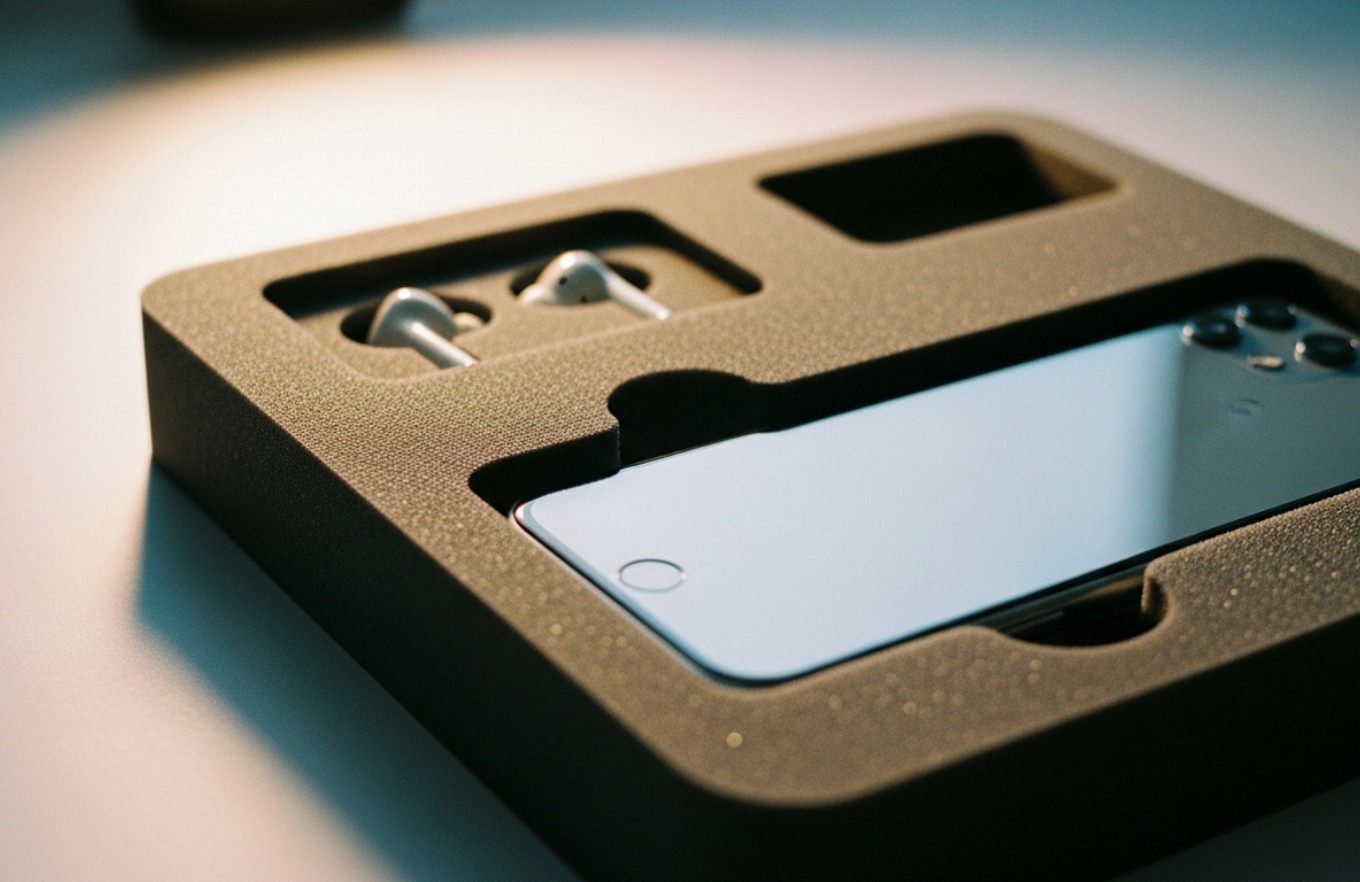
Modern manufacturing uses precision molding and digital cutting technologies to produce consistent foam sheets. These innovations reduce waste and improve efficiency while ensuring uniform thickness and density. Samad Group integrates advanced machinery to maintain quality control across large-scale production.
Many producers now adopt eco-conscious methods, including recyclable formulations and reduced emissions during production. EVA Foam can be reprocessed into new materials, supporting sustainability initiatives without sacrificing performance.
Store foam sheets in cool, dry conditions away from direct sunlight. Proper storage prevents deformation and preserves flexibility.
Sharp blades or hot wire tools create clean edges and precise shapes. Professionals often use CNC cutting machines for accuracy in complex designs.
When bonding foam to other surfaces, use adhesives specifically formulated for polymer materials. This ensures strong adhesion without damaging the foam structure.
Using the wrong density can lead to poor performance, such as excessive softness or rigidity.
Temperature and humidity influence foam behavior. Selecting a grade suited to the working environment prevents premature wear.
Low-cost materials may lack durability or consistency. Reliable suppliers like Samad Group provide tested products that deliver long-term value rather than short-term savings.
Contact Samad Group today for premium EVA Foam solutions tailored to your industry needs perfectly.
EVA Foam stands out as a versatile material that serves beginners and professionals alike. Its combination of durability, flexibility, and lightweight performance makes it essential across industries ranging from fitness to packaging and manufacturing. By understanding its composition, density options, and application-specific advantages, users can select the right type for optimal results. Trusted manufacturers such as Samad Group continue to refine production techniques and quality standards, ensuring reliable materials for evolving industrial demands. As innovation progresses, EVA Foam will remain a cornerstone material for modern design, engineering, and product development, offering unmatched adaptability and long-lasting performance.
The best EVA Foam thickness depends on usage, but industrial and sports applications typically require thicker, high-density sheets for durability and support.
A Yoga Mat Manufacturer selects foam based on grip, cushioning, density, and sweat resistance to ensure comfort, stability, and long-lasting performance.
EVA Foam is preferred because it offers superior flexibility, water resistance, durability, and lightweight strength compared with many conventional foam alternatives.