
November 24, 2025
The global fashion industry is experiencing a shift toward responsibility and innovation, driven by the growing demand for sustainable apparel. Once known for fast fashion and overproduction, manufacturers are now adopting circular design models that prioritize recycling, reusing, and reducing waste. After decades of environmental strain, the apparel sector is redefining what it means to create value by closing the loop between production and consumption. In this new era of sustainability, textile innovation and ethical craftsmanship have become just as important as aesthetics. The sustainable apparel movement is no longer a niche trend; it is the future of fashion.
Circular fashion is built on the idea of designing garments that last longer, can be repaired, and eventually be recycled into new materials. For an apparel manufacturer in Pakistan, this shift represents both an opportunity and a responsibility. Instead of focusing solely on large-scale output, companies are redefining efficiency through circular production systems that minimise waste and maximize resource recovery.
In circular manufacturing, waste is not discarded; it becomes raw material. This process includes transforming fabric scraps into yarns, repurposing defective garments, and investing in biodegradable materials. By integrating such practices, manufacturers reduce the environmental footprint while offering quality and durability.
Samad Group of Industries, a name known for its commitment to innovation and ethical standards, has become an example of how a responsible manufacturing approach can balance profitability with sustainability. Through eco-efficient technologies and mindful sourcing, Samad Group demonstrates how the circular model can be applied effectively within Pakistan’s competitive textile market.
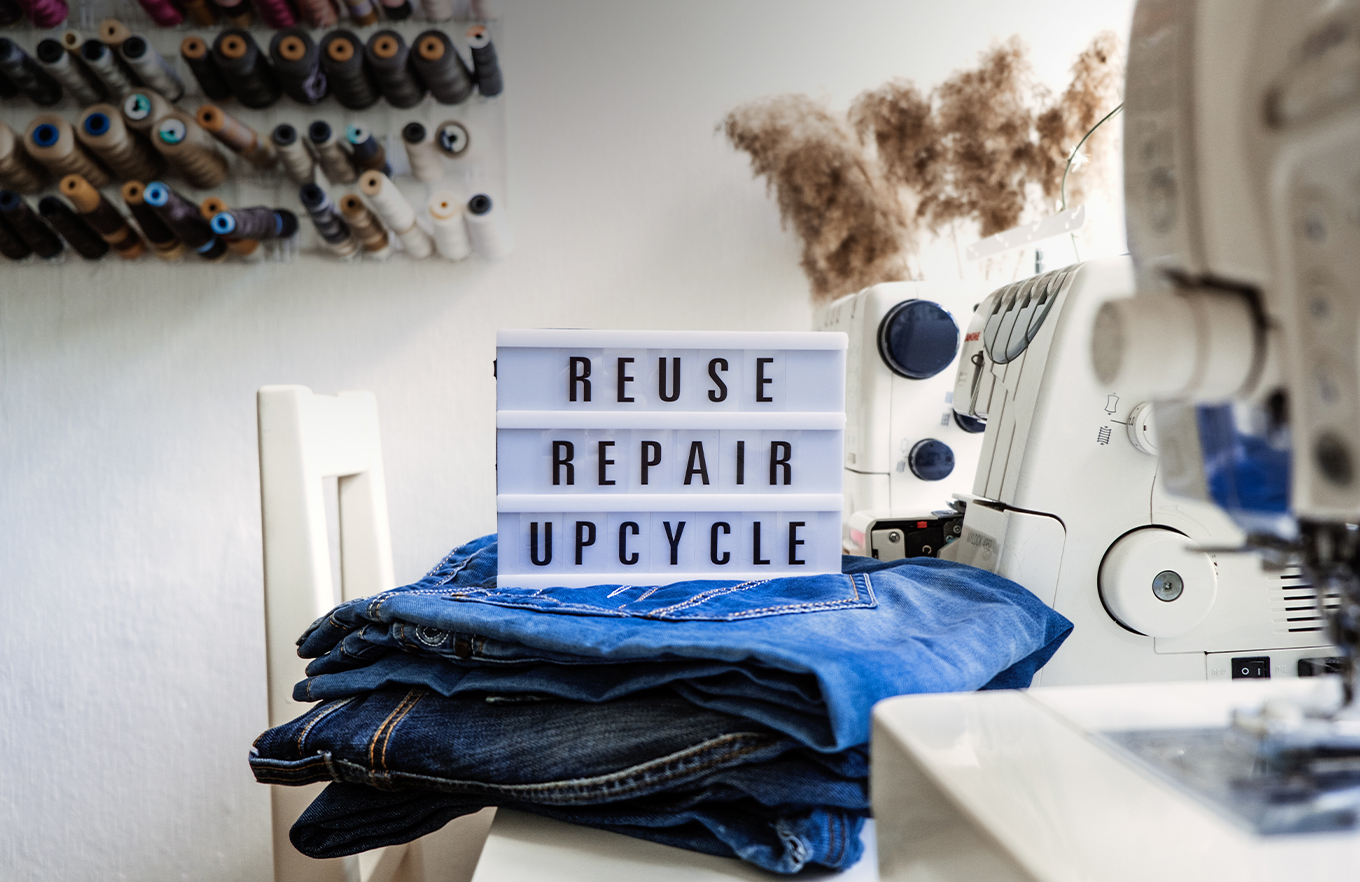
In traditional garment manufacturing, waste is inevitable, from fabric cuttings to unsold inventory. However, the rise of sustainable apparel has changed how the industry views waste. Many forward-thinking brands now employ technologies like 3D pattern design, digital printing, and automated cutting systems to ensure that every inch of material is used efficiently.
Samad Group integrates such smart technologies across its production lines, ensuring that minimal waste leaves the factory floor. Their approach reflects a broader movement among apparel producers to eliminate inefficiencies. Additionally, investing in renewable energy and water recycling systems enhances their contribution to environmentally responsible production.
The result is a more transparent, eco-conscious, and future-ready manufacturing environment, one that appeals to both local and international clients who value sustainability as much as style.
Circular manufacturing thrives on recycled materials. By using discarded textiles, plastic bottles, and regenerated fibres, manufacturers can create high-quality fabrics that rival traditional materials. The shift to recycling not only reduces waste but also limits dependence on virgin resources like cotton and polyester, which have significant environmental costs.
In Pakistan, where the textile sector plays a key role in the economy, the adoption of sustainable materials has accelerated. As an apparel manufacturer in Pakistan, Samad Group has embraced material innovation through the development of recycled and organic fabric lines. These fabrics are designed to meet international sustainability standards without compromising comfort or aesthetics.
Such initiatives illustrate that sustainable apparel can be both fashionable and functional. More importantly, they demonstrate how ethical practices can align with business growth, positioning Pakistan as a rising leader in sustainable textile exports.
Modern technology is at the heart of today’s sustainable apparel movement. From digital design platforms to advanced recycling equipment, innovation enables manufacturers to produce smarter, cleaner, and faster. Artificial intelligence helps predict demand to prevent overproduction, while automated machines ensure consistent quality with minimal resource waste.
Samad Group incorporates these technologies into its manufacturing processes, ensuring that every stage, from design to distribution, follows sustainable principles. The use of eco-dyes, low-energy machinery, and digitally controlled production units helps the company maintain both environmental and operational efficiency.
The role of technology is not limited to production. It extends to tracking product lifecycles, ensuring that garments can be returned, recycled, or repurposed. This complete transparency is reshaping how consumers engage with sustainable fashion.
The global focus on sustainability has created new expectations for every apparel manufacturer in Pakistan. The country’s textile industry is evolving rapidly, with growing investments in eco-friendly factories, renewable energy use, and socially responsible labor practices. This transformation is not just a trend; it is a strategic shift that ensures long-term competitiveness in the international market.
Samad Group is among the leading players shaping this sustainable transformation. By introducing global best practices and adhering to strict compliance standards, the company has proven that Pakistan’s manufacturing industry can compete with top-tier international producers. The future will belong to those who innovate responsibly, value transparency, and put sustainability at the center of their production strategies.

Circular manufacturing is more than a process; it’s a mindset. It challenges the outdated “take-make-dispose” system and replaces it with “design-use-regenerate.” This approach extends a product’s life cycle, reduces waste, and promotes a more resilient economy.
In the world of sustainable apparel, circularity is fast becoming the norm rather than the exception. As environmental awareness grows and consumer behaviour shifts, the demand for clothing that aligns with eco-conscious values continues to rise. Brands that adapt to this reality, like Samad Group, will not only thrive but also set new industry benchmarks for ethical and sustainable manufacturing.
Find out how Samad Group is redefining sustainability in fashion. Contact us today to explore circular apparel manufacturing solutions.
The journey from waste to wear is more than a slogan; it’s a reflection of a global shift toward responsible innovation. The sustainable apparel movement is creating lasting change, led by pioneers who see value in every thread of waste.
Pakistan’s textile industry, strengthened by forward-looking names like Samad Group, is proving that eco-conscious production and commercial success can go hand in hand. With continued commitment to circular design, ethical sourcing, and smart technology, the future of apparel manufacturing looks cleaner, greener, and far more sustainable than ever before.
Circular fashion ensures minimal waste by recycling and reusing materials, making it vital for a long-term sustainable apparel model.
Many apparel manufacturers in Pakistan are investing in eco-friendly fabrics, renewable energy, and ethical production methods to meet international sustainability standards.
Samad Group leads through innovative manufacturing, recycled materials, and environmentally responsible processes that define modern sustainable apparel manufacturing.