
February 6, 2026
Closed-Cell Foam has become a cornerstone material in modern industrial applications, offering unmatched durability, insulation, and adaptability across sectors. Industries ranging from construction to electronics rely on its robust structure to maintain efficiency, protect sensitive components, and enhance thermal management. Unlike traditional insulation materials, Closed-Cell Foam provides superior water resistance and compressive strength, making it ideal for both industrial and commercial uses. Companies like Samad Group are leveraging this material to drive innovation, combining advanced production techniques with premium EVA Foam derivatives to meet growing industry demands. Its versatility ensures that tasks requiring energy efficiency, shock absorption, or thermal insulation are executed with precision and reliability.
In industrial setups where both protection and performance are critical, Closed-Cell Foam proves to be indispensable. Improving insulation standards and reducing operational losses, it saves costs while contributing to the safety and longevity of equipment. Samad Group has successfully integrated this foam across multiple sectors, demonstrating how smart material selection can transform operational efficiency without compromising on quality.
Closed-Cell Foam offers a range of advantages that make it the preferred choice in industrial settings.
Enhanced Insulation Properties: Its tightly packed cell structure minimizes heat transfer, making it perfect for HVAC systems, refrigeration units, and high-temperature processes.
Water and Moisture Resistance: Unlike open-cell variants, Closed-Cell Foam prevents water absorption, reducing corrosion risks and maintaining structural integrity in humid environments.
Superior Shock Absorption: Industrial machinery often faces vibration and impact; this foam acts as a cushion, reducing wear and tear.
Energy Efficiency: By maintaining consistent insulation, Closed-Cell Foam reduces energy consumption in manufacturing and processing units, offering long-term cost savings.
Samad Group integrates these features into specialized foam products tailored for industrial clients, ensuring each solution is customized to meet sector-specific challenges.
Construction and Infrastructure: Closed-Cell Foam is widely used for wall insulation, roofing panels, and flooring underlays. Its compressive strength makes it ideal for load-bearing areas and areas exposed to moisture.
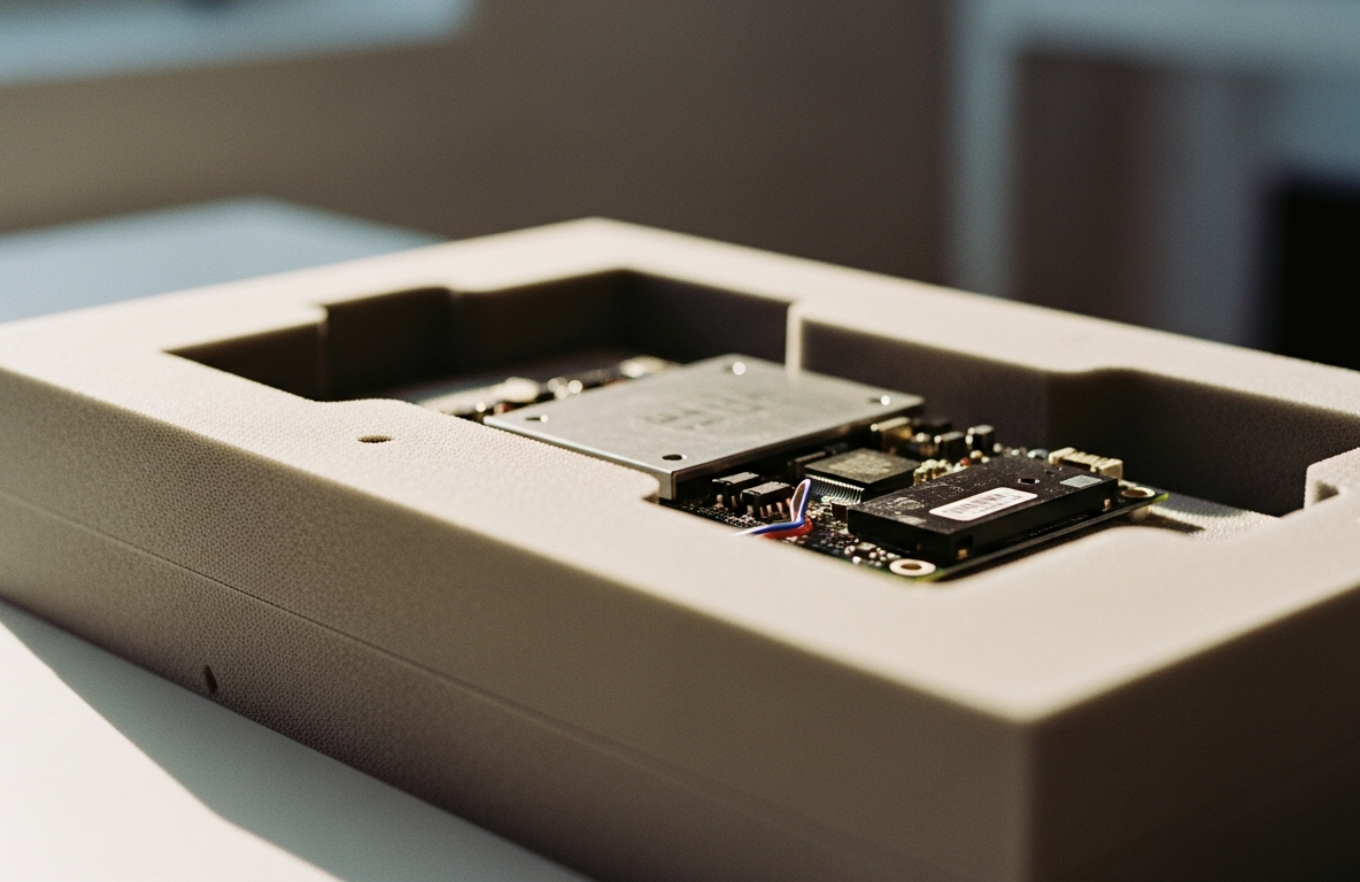
Electronics and Packaging: Fragile components require protection during transport. This foam prevents damage from shocks, vibrations, and environmental exposure. Samad Group’s packaging solutions using EVA Foam derivatives have enhanced product safety and reduced returns for clients.
Automotive and Aerospace: Lightweight and strong, Closed-Cell Foam is used in seating, dashboards, and protective padding. Its resistance to water and chemicals ensures longevity and reduces maintenance costs.
Sports and Recreation: Mats, protective gear, and cushioning materials benefit from EVA Foam’s flexibility combined with Closed-Cell Foam’s resilience. Athletes and manufacturers prefer these materials for comfort, safety, and performance.
Marine and Outdoor Applications: Waterproof properties make Closed-Cell Foam ideal for boats, decks, and outdoor insulation needs, especially where exposure to harsh weather is constant.
Selecting the correct foam involves evaluating:
Density: Higher-density foams offer more strength and durability but may compromise flexibility.
Thickness: The right thickness balances insulation needs and structural integrity.
Compression Resistance: Critical for applications with heavy loads or high foot traffic.
Environmental Conditions: UV resistance, chemical exposure, and moisture levels influence foam selection.
Samad Group offers expert guidance to clients on material choice, ensuring that industrial applications achieve maximum efficiency without unnecessary cost.
The industrial foam market is evolving rapidly with innovations such as:
● Advanced EVA Foam formulations enhancing resilience and shock absorption.
● Environmentally friendly Closed-Cell Foam variants reducing carbon footprints.
● Custom-cut foams for precise industrial and packaging applications.
● Hybrid solutions combining thermal insulation with soundproofing for complex environments.
Samad Group has been at the forefront of adopting these trends, integrating R&D insights into practical industrial solutions. Their approach ensures that businesses benefit from cutting-edge material science without operational disruption.

Reliability: Predictable performance in harsh conditions.
Longevity: Resistance to water, chemicals, and compression extends lifespan.
Cost-Efficiency: Reduced energy usage and maintenance costs over time.
Versatility: Usable in packaging, insulation, construction, and specialized equipment.
Businesses working with Samad Group gain access to technical expertise and premium EVA Foam products, allowing them to optimize industrial workflows effectively.
Contact Samad Group today to explore customized Closed-Cell Foam solutions designed for industrial efficiency and insulation performance.
Closed-Cell Foam is no longer just an insulation material; it is a transformative component in modern industrial applications. With its combination of durability, water resistance, and energy efficiency, industries can achieve safer, cost-effective, and long-lasting solutions. Samad Group’s expertise in delivering tailored Closed-Cell Foam products demonstrates the strategic value of choosing the right material for every application. Whether for packaging, construction, automotive, or recreational industries, Closed-Cell Foam ensures superior performance and sustainability for future-ready operations.
Closed-Cell Foam is a structural, water-resistant material, while EVA Foam is flexible and often used for cushioning. Both are versatile and sometimes used together.
Consider load requirements, insulation needs, and environmental conditions; Samad Group provides tailored guidance for precise industrial applications.
Yes, certain formulations provide thermal resistance suitable for HVAC systems, machinery insulation, and other heat-exposed industrial applications.