
March 9, 2026
A denim jeans manufacturer operating in today’s competitive apparel landscape must balance production efficiency with environmental responsibility. Modern buyers expect brands to reduce waste, conserve resources, and maintain ethical sourcing standards. That is why every denim jeans manufacturer must rethink traditional methods and adopt strategies that promote durability, responsible material usage, and eco-friendly processes. From fiber sourcing to finishing techniques, sustainable production decisions influence brand reputation, operational costs, and global competitiveness. Businesses that integrate responsible practices early gain long-term advantages in performance, compliance, and customer trust while positioning themselves as forward-thinking industry leaders.
Global fashion markets now prioritize environmentally responsible clothing, pushing each denim jeans manufacturer to adapt quickly. Consumers increasingly evaluate brands based on transparency, water usage, and ethical labor practices. Sustainable production is no longer optional. It is a strategic necessity for companies seeking long-term growth and international partnerships. Organizations such as Samad Group of Industries have recognized that sustainable production models improve efficiency while strengthening brand credibility in competitive export markets.
Conventional denim manufacturing consumes significant water, chemicals, and energy. Without improvements, these processes increase pollution and operational costs. A forward-thinking denim jeans manufacturer can reduce environmental impact through modern dyeing technologies, closed-loop water systems, and low-impact finishing methods. Such upgrades help manufacturers meet international environmental standards and reduce regulatory risks.
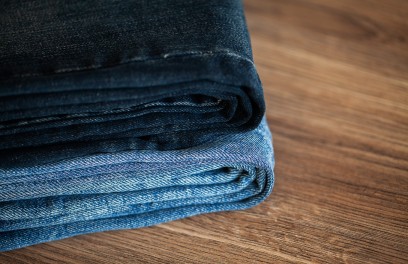
Material selection determines a product’s environmental footprint. Progressive manufacturers now integrate recycled fibers, organic cotton, and blended yarn innovations. These materials reduce dependency on virgin resources while maintaining durability and comfort.
Key sustainable fabric choices include
• Organic cotton grown without synthetic pesticides
• Recycled cotton fibers from post-industrial waste
• Stretch blends made with eco-friendly elastane
• Regenerated cellulose fibers such as lyocell
A denim jeans manufacturer that invests in responsible textiles improves supply chain transparency and attracts global fashion brands seeking reliable sourcing partners.
Strong supplier relationships help ensure consistent quality and ethical sourcing. Companies like Samad Group collaborate with certified mills and fiber producers to maintain traceability throughout production. This approach allows each denim jeans manufacturer to verify environmental compliance and maintain credibility with international buyers.
Fabric waste is one of the largest cost and sustainability challenges. Advanced digital pattern systems help manufacturers optimize layout and minimize leftover material. A technology-driven denim jeans manufacturer can reduce fabric waste by up to 15 percent simply by improving cutting precision and planning.
Traditional denim washing processes consume thousands of liters of water per batch. Modern alternatives such as ozone washing, laser finishing, and enzyme treatments significantly reduce water usage while maintaining premium aesthetics. Samad Group has implemented such innovations to help factories achieve efficiency without compromising product quality.
Energy consumption directly impacts both costs and emissions. Solar panels, energy-efficient boilers, and heat recovery systems allow a denim jeans manufacturer to lower operational expenses while meeting sustainability targets. Factories adopting renewable energy often see measurable cost reductions within a few years.
Outdated machinery wastes power and slows production. Modern automated equipment improves precision, reduces energy use, and increases output consistency. Forward-thinking manufacturers that invest in upgraded systems gain a competitive edge in both sustainability performance and production capacity.
Dyeing is one of the most resource-intensive steps in denim production. Eco-friendly dye techniques reduce chemical waste and water usage while improving color consistency. A responsible denim jeans manufacturer prioritizes technologies that maintain high performance without harmful discharge.
Proper chemical handling protects workers and the environment. Certified chemical management programs ensure safe storage, usage, and disposal. Samad Group integrates strict chemical control processes that help manufacturers comply with international safety standards and buyer requirements.
Sustainability includes social responsibility. A reputable denim jeans manufacturer ensures fair wages, safe working conditions, and employee training programs. Ethical practices not only meet global compliance standards but also improve workforce productivity and morale.
Skilled workers produce higher-quality garments with fewer defects. Continuous training programs help staff understand new machinery, sustainable processes, and quality standards. Manufacturers that invest in workforce education experience reduced error rates and stronger production consistency.

Packaging often contributes to unnecessary waste. Sustainable alternatives such as recyclable cartons, biodegradable bags, and minimal packaging designs reduce environmental impact while lowering shipping costs.
Efficient logistics planning reduces fuel consumption and delivery time. A strategic denim jeans manufacturer evaluates transportation routes, consolidates shipments, and partners with environmentally responsible carriers. Samad Group emphasizes logistics optimization to help apparel exporters achieve both sustainability and cost efficiency.
Brands prefer suppliers that meet sustainability benchmarks. A denim jeans manufacturer with verified environmental practices attracts premium clients and long-term contracts. Sustainability credentials often influence purchasing decisions for global retailers.
Although sustainable upgrades require investment, they often reduce expenses in the long run. Lower energy usage, reduced water consumption, and minimized material waste contribute to measurable financial benefits. Manufacturers that prioritize efficiency gain resilience against rising resource costs.
• Audit current resource consumption and waste levels
• Upgrade machinery for energy efficiency
• Source certified sustainable materials
• Implement water recycling systems
• Train staff in eco-friendly production methods
These steps help any denim jeans manufacturer transition from conventional production to a more responsible and future-ready operation.
Contact Samad Group today for sustainable denim solutions that enhance quality, efficiency, compliance, and global competitiveness.
Sustainability is transforming the apparel industry, and every denim jeans manufacturer must adapt to remain competitive. From responsible material sourcing to energy-efficient production and ethical labor practices, sustainable strategies improve both environmental performance and business outcomes. Manufacturers that collaborate with experienced partners like Samad Group gain access to advanced technologies, certified materials, and expert guidance that support long-term success. By implementing sustainable innovations today, manufacturers secure stronger market positioning, improved efficiency, and greater trust from global buyers.
Start with water-saving washing technologies, certified fabrics, and energy-efficient machinery to quickly reduce environmental impact.
Sustainable apparel demonstrates environmental responsibility, attracting global buyers who prefer ethical and eco-friendly suppliers.
They prioritize compliant suppliers who meet environmental standards, reduce risks, and ensure consistent quality across production cycles.