
August 3, 2026
Rubber bonding may look simple on the surface, but behind every durable rubber product lies a carefully selected adhesive system designed to withstand pressure, movement, and environmental challenges. From automotive components to industrial equipment, rubber applications require bonding solutions that deliver strength without losing flexibility. Choosing the right partner can directly impact product performance, production efficiency, and long-term reliability.
Selecting an Industrial Adhesive Manufacturer requires more than comparing prices or product availability. Manufacturers need to evaluate technical expertise, material compatibility, and the ability to provide consistent solutions for demanding rubber applications. In this guide, we will explore the key factors businesses should consider when selecting an adhesive partner and how the right choice helps create stronger, more reliable rubber-based products.
Rubber materials have unique properties that make bonding more complex than many other surfaces. Their flexibility, low surface energy, and chemical resistance can pose challenges during adhesive application.
A suitable adhesive must maintain a strong connection while allowing rubber components to move naturally without cracking or losing grip. This balance between flexibility and strength is essential in industries where products experience constant vibration, stretching, or temperature changes.
Common rubber bonding challenges include:
● Maintaining adhesion during repeated movement
● Handling exposure to heat, moisture, and chemicals
● Creating long-lasting bonds between different materials
● Preventing separation during heavy usage
These challenges make adhesive selection a critical part of product development rather than a simple purchasing decision.
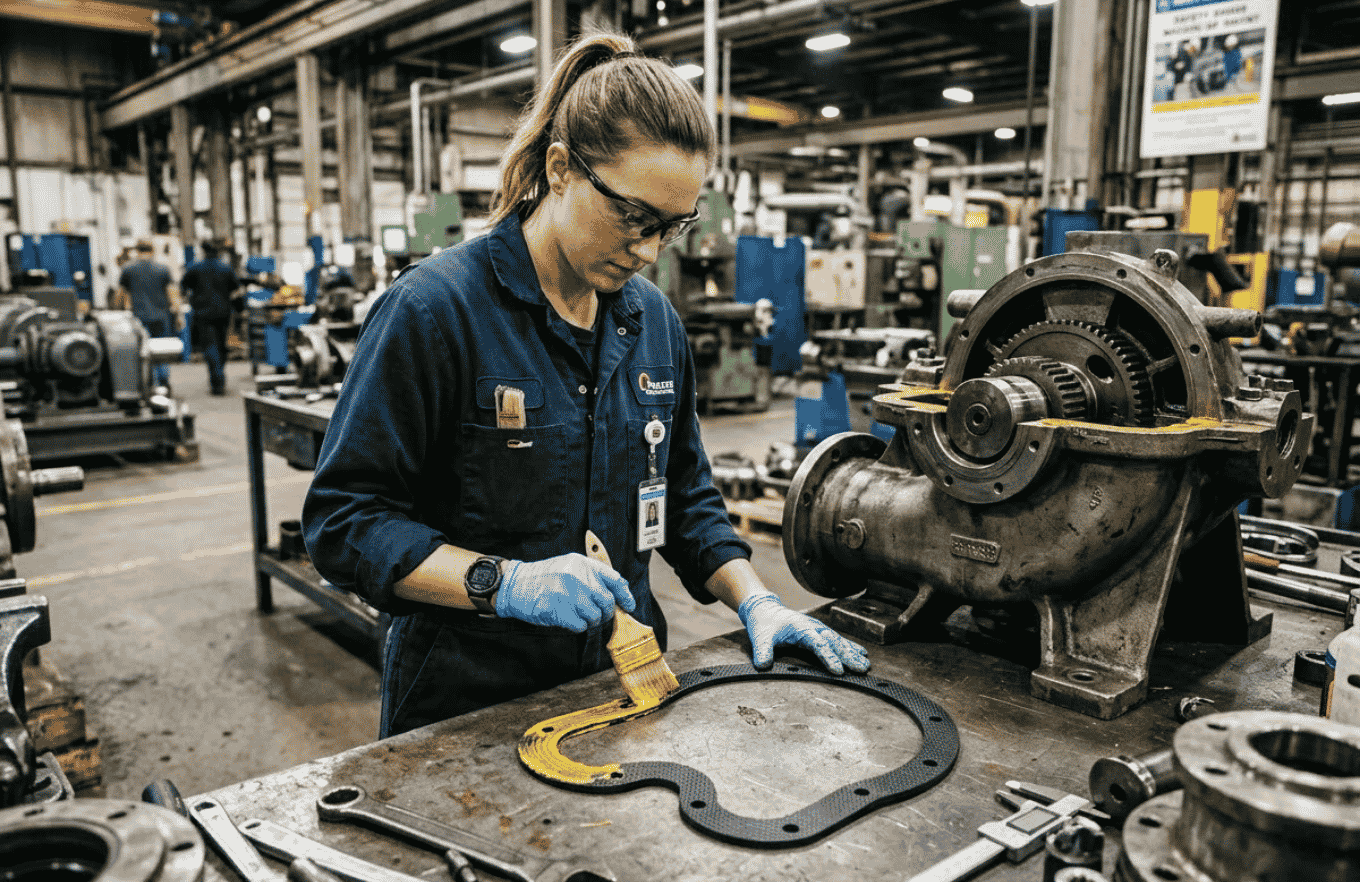
Every rubber product has different performance requirements. Natural rubber, synthetic rubber, EPDM, nitrile rubber, and other rubber types may react differently with adhesive formulations.
Manufacturers must consider factors such as surface preparation, application method, curing time, and operating conditions before selecting an adhesive solution. A bonding product that works well for one rubber application may not deliver the same results in another.
A reliable supplier understands these differences and provides guidance based on the specific requirements of each project. This approach helps manufacturers reduce bonding failures and improve overall product quality.
When selecting Rubber Adhesive for Industrial Use, businesses should focus on performance characteristics that support their final application. Strong initial bonding is important, but long-term stability matters even more.
Important adhesive properties include:
● High peel and shear strength
● Resistance against temperature changes
● Strong bonding with multiple substrates
● Flexible performance under stress
● Consistent application results
Moreover, manufacturers should consider whether the adhesive can support their production process efficiently. Easy application, predictable drying time, and reliable curing behavior can significantly improve workflow and reduce unnecessary delays.
A dependable adhesive partner does more than supply products. Technical knowledge, application recommendations, and problem-solving support can make a major difference during production.
Samad Adhesive focuses on providing bonding solutions that meet industrial requirements while helping manufacturers choose suitable products for different applications. Expert guidance ensures businesses select adhesives that match their materials, equipment, and production conditions.
Consistency is one of the most important factors when choosing an adhesive partner. In rubber manufacturing, even small variations in adhesive performance can affect product quality, increase rejection rates, and create unexpected production costs.
A trusted Industrial Adhesive Manufacturer follows strict quality control practices to ensure every batch delivers reliable performance. Manufacturers should look for suppliers that focus on:
● Consistent product formulation
● Reliable testing procedures
● Strong technical expertise
● Continuous product improvement
● Understanding of industrial requirements
These factors help businesses maintain stable production standards while reducing the risks associated with bonding failures.
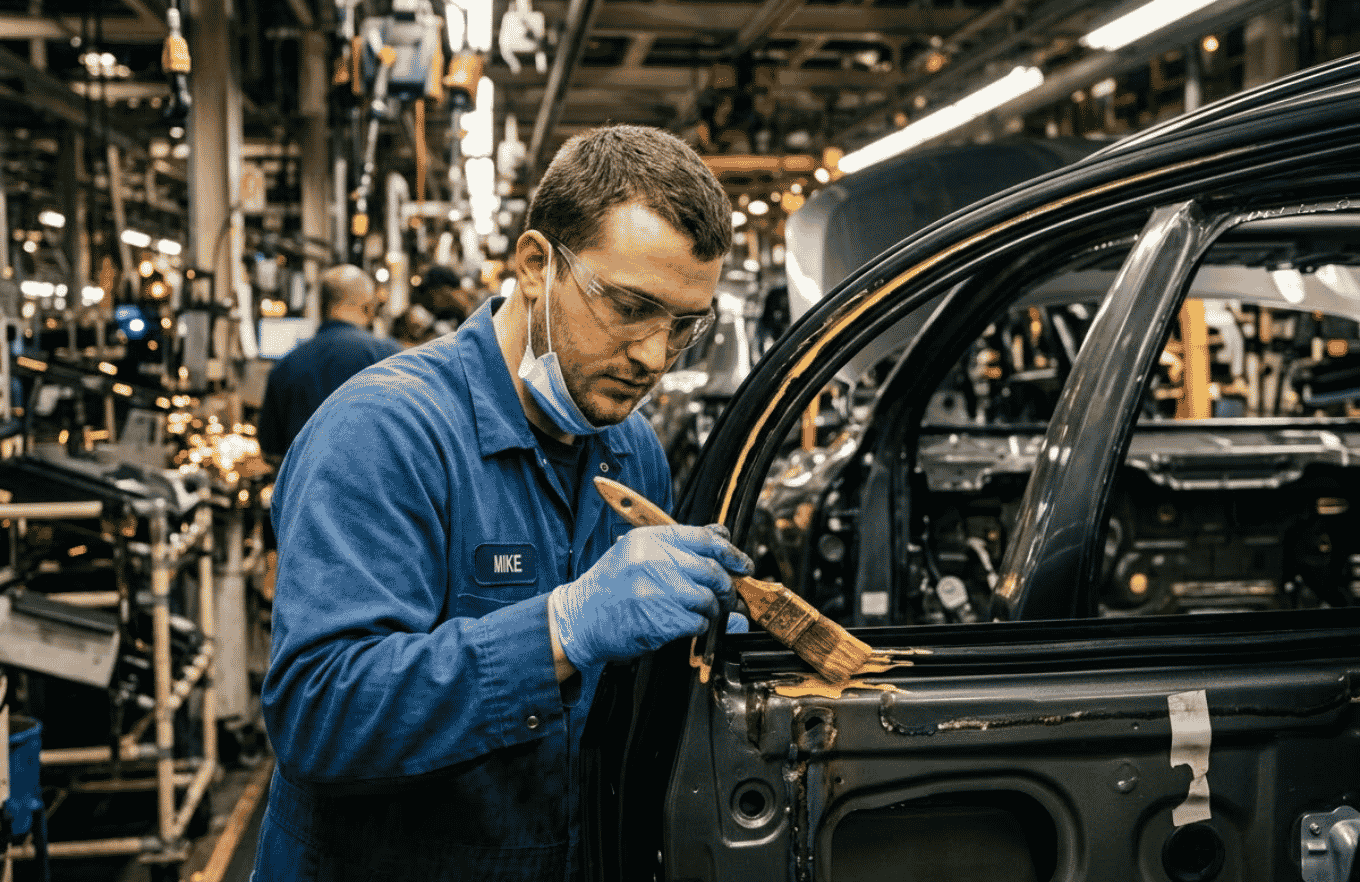
Experience plays a major role when dealing with complex rubber applications. An experienced adhesive provider understands how different materials behave and how environmental conditions affect bonding performance.
For example, rubber components used in automotive, machinery, and industrial equipment may face extreme temperatures, vibrations, and chemical exposure. The adhesive selected must continue performing under these demanding conditions.
Furthermore, working with a knowledgeable supplier allows manufacturers to receive recommendations based on real industry challenges rather than general product information. This practical understanding helps businesses achieve stronger and more efficient bonding results.
Modern industries require adhesive solutions that combine strength, flexibility, and dependable performance. Samad Adhesive provides advanced bonding products designed to support manufacturers working with rubber, synthetic materials, and other industrial substrates.
The right adhesive solution helps businesses create products that perform better under demanding conditions. Whether the application involves rubber components, industrial repairs, or manufacturing assemblies, selecting a suitable adhesive system improves durability and reduces maintenance requirements.
Most importantly, choosing a supplier with technical knowledge ensures that manufacturers are not only purchasing an adhesive but gaining a reliable production partner.
Before partnering with an adhesive supplier, manufacturers should carefully review their production needs and long-term goals. The lowest-cost option may not always provide the best value if it results in poor bonding performance or frequent replacements.
A strong supplier relationship should provide:
● Product reliability for continuous operations
● Support for new applications
● Solutions that match production requirements
● Long-term performance improvement
When businesses evaluate these factors, they can select a partner that contributes to better product quality and operational success.
Choosing the right Rubber Adhesive for Industrial Use also allows manufacturers to improve efficiency while maintaining strong product standards. From flexible rubber parts to heavy-duty industrial components, the correct adhesive selection creates a foundation for dependable performance.
Rubber bonding requires careful planning, technical understanding, and the right adhesive technology. A reliable adhesive partner helps manufacturers overcome material challenges, improve production consistency, and create products that withstand demanding environments.
By working with experienced providers like Samad Adhesive, businesses can access dependable bonding solutions designed for modern industrial requirements. Selecting the right supplier is not only about finding an adhesive product; it is about building a partnership that supports quality, innovation, and long-term success.
Connect with Samad Adhesive today for reliable industrial bonding solutions designed to improve performance, durability, and manufacturing efficiency.
The best supplier should offer consistent adhesive quality, technical support, industry experience, and solutions designed specifically for rubber bonding requirements.
Rubber Adhesive for Industrial Use provides strong, flexible bonding performance that helps rubber components withstand movement, pressure, temperature changes, and daily operational stress.
Bonding performance depends on rubber type, surface preparation, environmental conditions, adhesive formulation, curing process, and proper application techniques.