
October 2, 2026
Finding the right workwear partner can directly affect uniform costs, workforce protection, and day-to-day operations. Workwear Manufacturers in Pakistan are increasingly serving businesses that need consistent quality without losing control of their budgets. The real value of a manufacturing partnership, however, goes beyond the price quoted per garment. Fabric selection, production efficiency, customization, quality checks, compliance, and order consistency can all influence the final cost. In this blog, we look at how the right manufacturer can create measurable value, what standards businesses should consider, and why a long-term production relationship can be more beneficial than repeatedly changing suppliers.
A lower unit price does not always mean a lower overall cost. Poor stitching, inconsistent sizing, weak fabrics, or color variations can lead to replacements and additional orders.
Established Workwear Manufacturers in Pakistan can support better cost control through organized production, material planning, and repeat manufacturing. When the same specifications are maintained across multiple orders, businesses can also reduce the time spent correcting designs or adjusting production requirements.
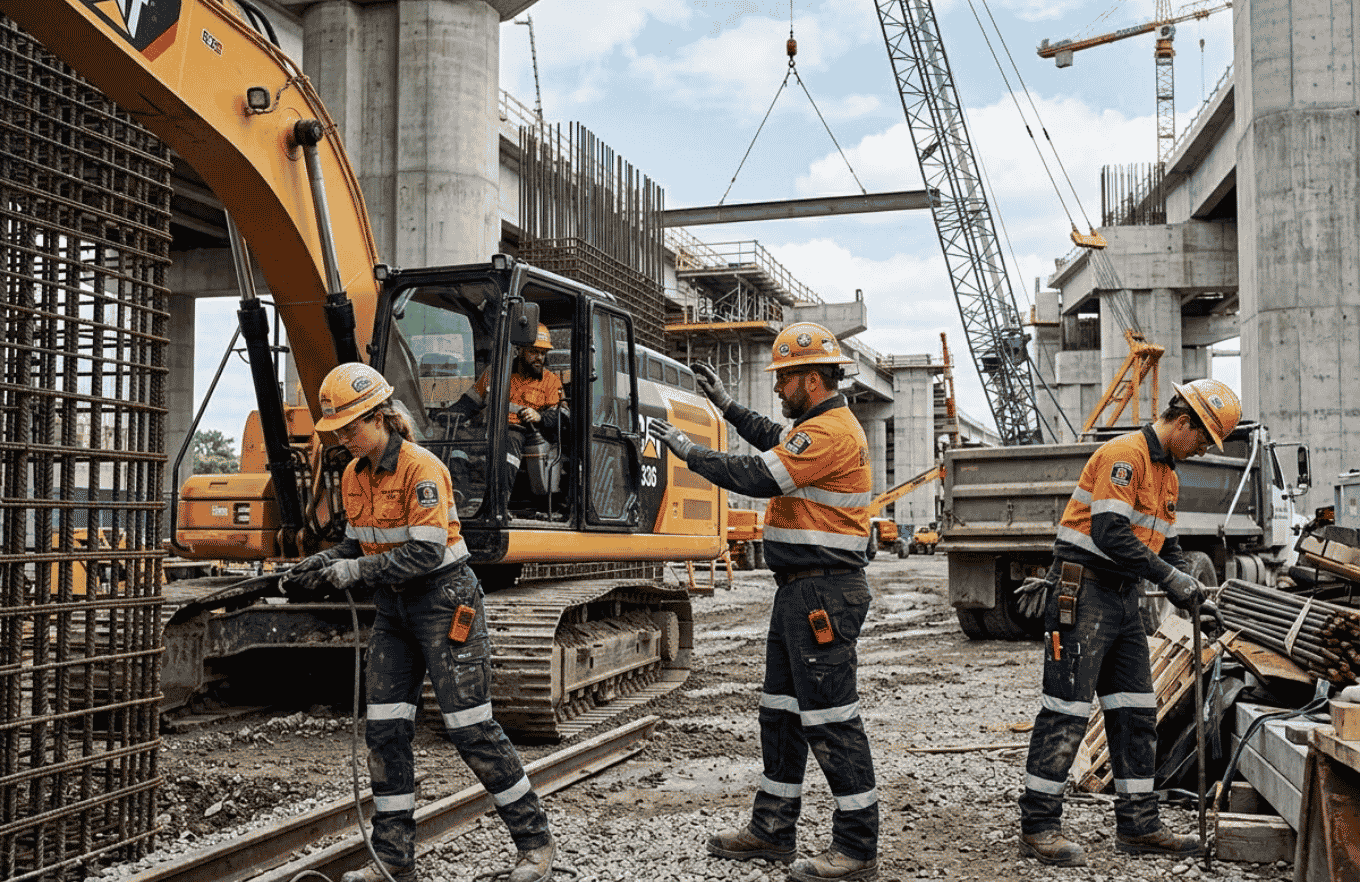
Uniform programs often involve hundreds or thousands of garments. Maintaining consistent measurements, fabric quality, trims, and finishing becomes essential.
A structured manufacturing setup can make repeat orders easier to manage. Samad Group, for instance, describes its workwear operations around functionality, innovative fabrics, and designs intended for demanding environments.
Industrial clothing is often selected according to the hazards employees face. Therefore, businesses should evaluate whether their manufacturing partner understands the applicable technical requirements.
Several internationally recognized standards may be relevant depending on the garment and workplace risk.
ISO 13688:2013 establishes general requirements for protective clothing, including ergonomics, sizing, aging, compatibility, marking, and information supplied by manufacturers. ISO also states that it should be used alongside standards covering specific protective performance.
ISO 11612:2015 covers protective clothing designed to protect the body from heat and flame, including exposure to radiant or convective heat, contact heat, and molten-metal splashes.
ISO 20471:2013 addresses high-visibility clothing, including requirements for color, retroreflective performance, and the placement and minimum areas of visibility materials.
These standards should not simply be treated as marketing labels. Most importantly, the required standard should match the actual workplace hazard, garment construction, testing requirements, and intended use.
Different industries rarely need identical uniforms. Construction teams may require high-visibility clothing, while workers exposed to heat or flames may need specialized protective garments.
This is where Industrial Workwear Suppliers can create additional value by supporting different fabrics, colors, fits, pockets, closures, reflective elements, and branding requirements.
Samad Group's workwear content highlights customization options such as logo embroidery, pocket placement, zipper selection, colors, and tailored designs for different industrial applications.
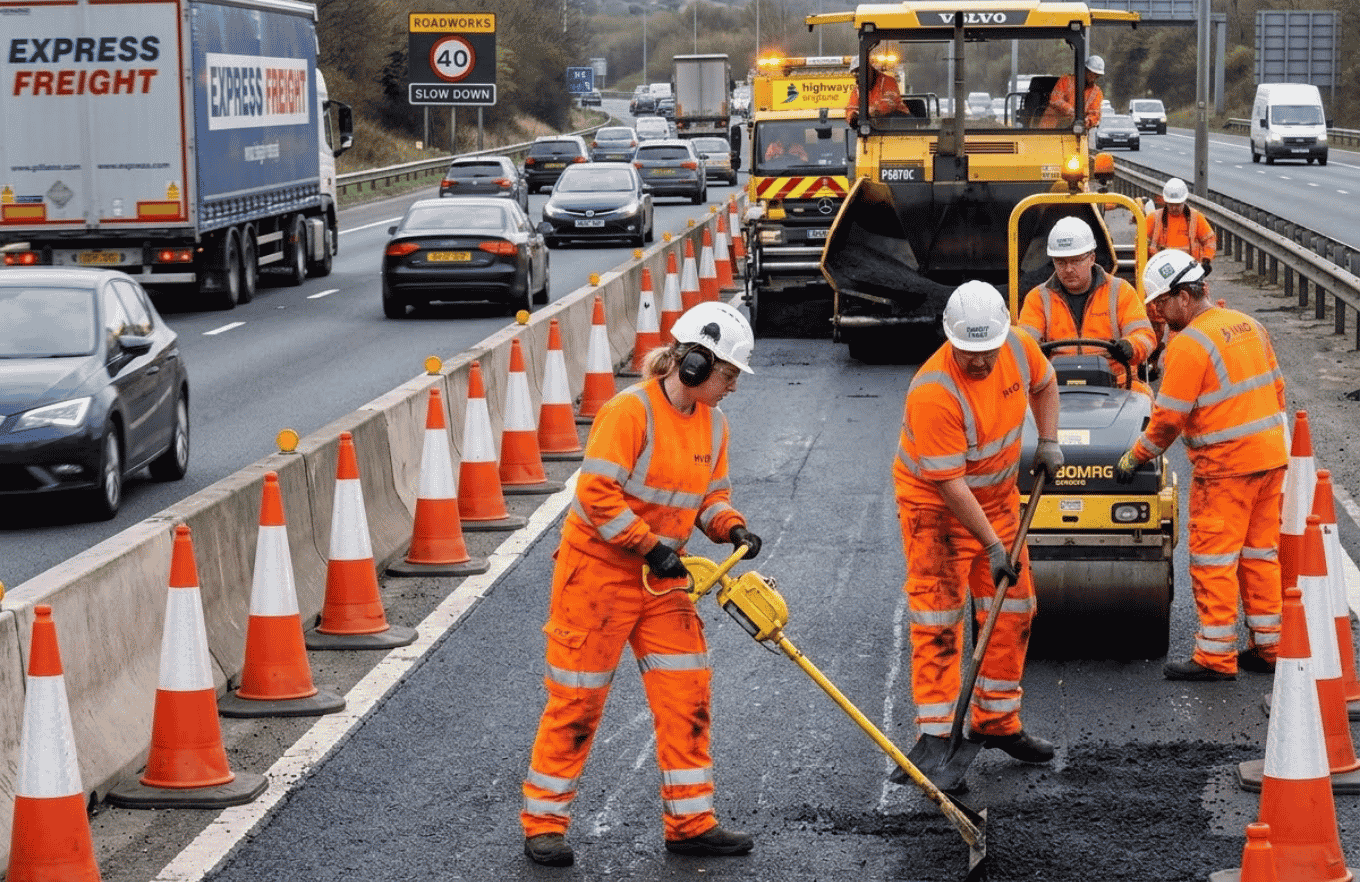
For workplaces involving heat or flame exposure, ordinary uniforms may not provide the required protection. Flame-Resistant Workwear needs to be designed around the relevant hazard and applicable performance requirements.
ISO 11612 is particularly relevant where clothing is intended to provide protection against heat and flame. However, businesses should confirm the exact protection required for their workplace rather than assuming one standard covers every risk.
The financial advantage of working with capable Workwear Manufacturers in Pakistan becomes clearer when quality remains consistent across repeated production cycles.
Samad Group of Industries has a broader manufacturing history spanning decades, while its website identifies workwear as one of its dedicated business verticals.
A reliable manufacturing relationship can therefore help businesses manage repeat orders, maintain uniform appearance, reduce unnecessary replacements, and keep production specifications consistent.
The cost-benefit of partnering with established Workwear Manufacturers in Pakistan is not limited to purchasing garments at a competitive price. Consistent production, customization, quality control, appropriate safety standards, and repeat-order efficiency can all contribute to stronger long-term value.
For businesses sourcing through Industrial Workwear Suppliers, the right partnership can turn workwear from a recurring expense into a more controlled and strategic part of workforce management.
Partner with Samad Group for professionally manufactured workwear that brings together consistent quality, safety-focused construction, customization, and long-term production value.
Businesses can benefit from established textile capabilities, scalable production, customization options, and consistent specifications across repeat workwear orders.
The applicable standard depends on the workplace hazard and garment purpose. ISO 13688, ISO 11612, and ISO 20471 are examples covering general protective clothing, heat and flame protection, and high visibility, respectively.
Flame-Resistant Workwear can provide specialized protection where workers may face heat or flame exposure, but the garment should be selected according to the specific workplace risk and applicable standard.