
October 3, 2026
The pandemic changed how people shop, work, travel, and think about consumption, and the apparel industry was no exception. Today, Sustainable Apparel is moving beyond a niche preference as brands, manufacturers, and consumers pay closer attention to how clothing is designed, produced, used, and discarded. Supply chain disruptions also highlighted the importance of resource efficiency, production flexibility, and responsible sourcing. At the same time, consumers became more conscious of product value and environmental impact, creating new expectations for fashion businesses. In this blog, we explore how sustainability is evolving after the pandemic and what these changes could mean for apparel production, manufacturing partnerships, materials, technology, and the future of the global fashion industry.
Post-pandemic consumers are increasingly interested in where products come from and how they are made. Price and appearance remain important, but durability, material choices, ethical production, and environmental responsibility can also influence purchasing decisions.
This shift is encouraging fashion brands to reconsider short-term production models. Instead of focusing only on producing more garments, businesses are looking at ways to create products that deliver longer-lasting value.
A garment that remains useful for longer can reduce the frequency of replacement and potentially limit unnecessary consumption. Consequently, fabric quality, construction, and garment performance are becoming increasingly relevant to sustainability strategies.
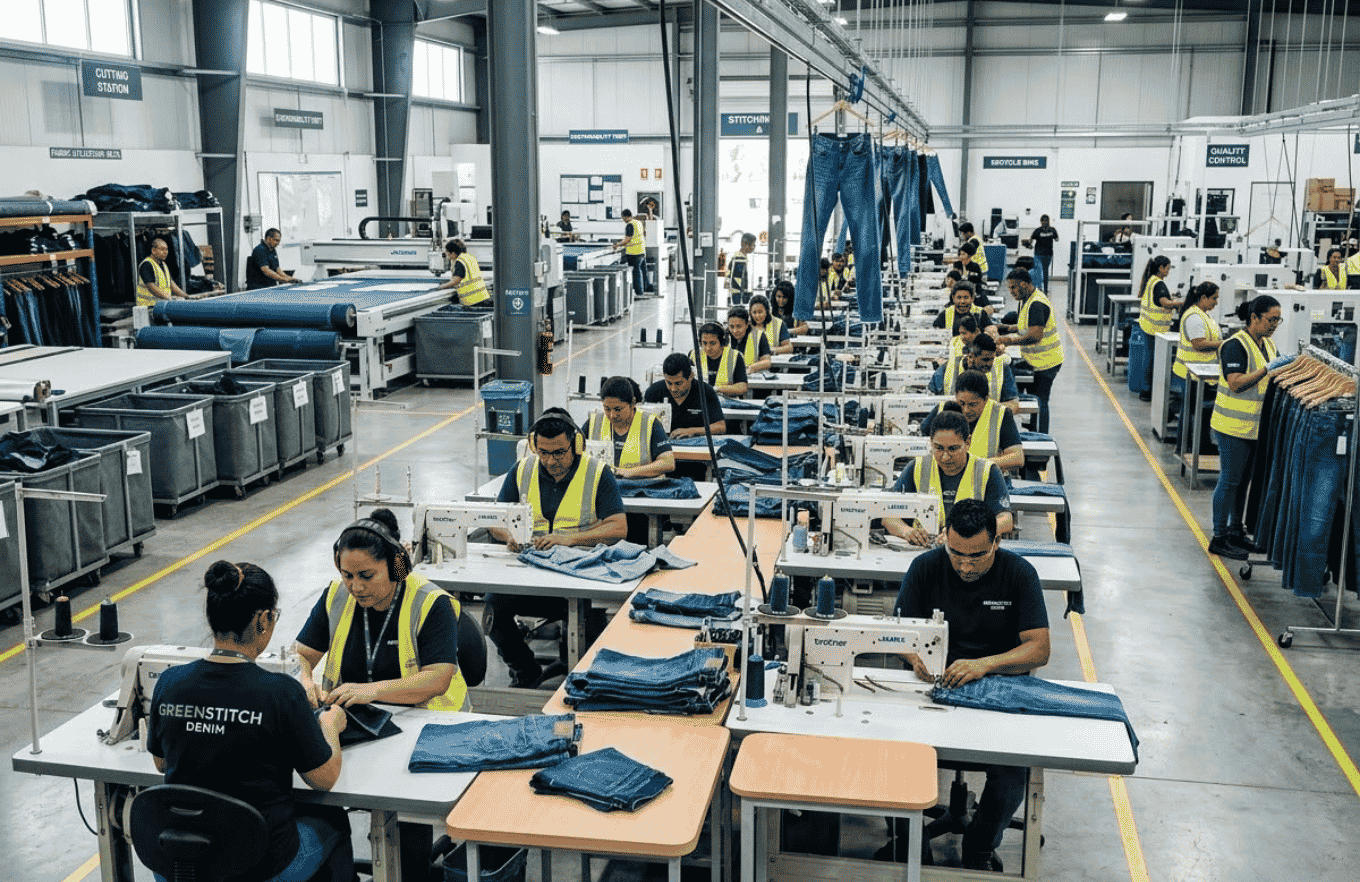
Sustainability does not simply mean choosing an environmentally preferable fabric. It also involves examining how efficiently materials, energy, water, and labor are used throughout production.
For Apparel Manufacturers in Pakistan, improving production efficiency can create both environmental and commercial benefits. Better planning, reduced material waste, efficient machinery, and stronger quality control can help manufacturers use resources more effectively while maintaining production standards.
Moreover, Samad Group’s vertically integrated apparel operations demonstrate how greater control across production stages can support consistency and efficiency. Its apparel business specializes in denim and twill woven garments and manages processes from cut to pack, giving production teams greater oversight of quality and workflow.
Technology is becoming an important part of the sustainability conversation. Digital production monitoring, automated systems, data analysis, and improved machinery can help manufacturers identify inefficiencies and make better production decisions.
Furthermore, technology can support more accurate production planning, helping reduce overproduction and unnecessary material use. For manufacturers supplying international brands, better data can also strengthen traceability and provide greater visibility across production processes.
Material innovation will remain central to the future of sustainable fashion. Recycled fibers, responsibly sourced materials, and improved fabric technologies are creating more options for brands seeking to reduce environmental impact.
However, material selection should consider the complete product lifecycle rather than relying on a single sustainability claim. Fiber composition, durability, processing requirements, recyclability, and end-of-life options all matter.
The broader sustainability approach at Samad Group includes regular testing, advanced machinery, and integrated recycling systems, showing how environmental considerations can become part of wider manufacturing operations rather than remaining separate from production.
Consumers and international buyers increasingly want evidence behind sustainability claims. This means manufacturers will need stronger documentation around materials, processes, certifications, and supply chain practices.
For Apparel Manufacturers in Pakistan, transparent production systems can become an important competitive advantage when working with global buyers. Certifications and recognized standards can also provide useful evidence of responsible manufacturing practices.
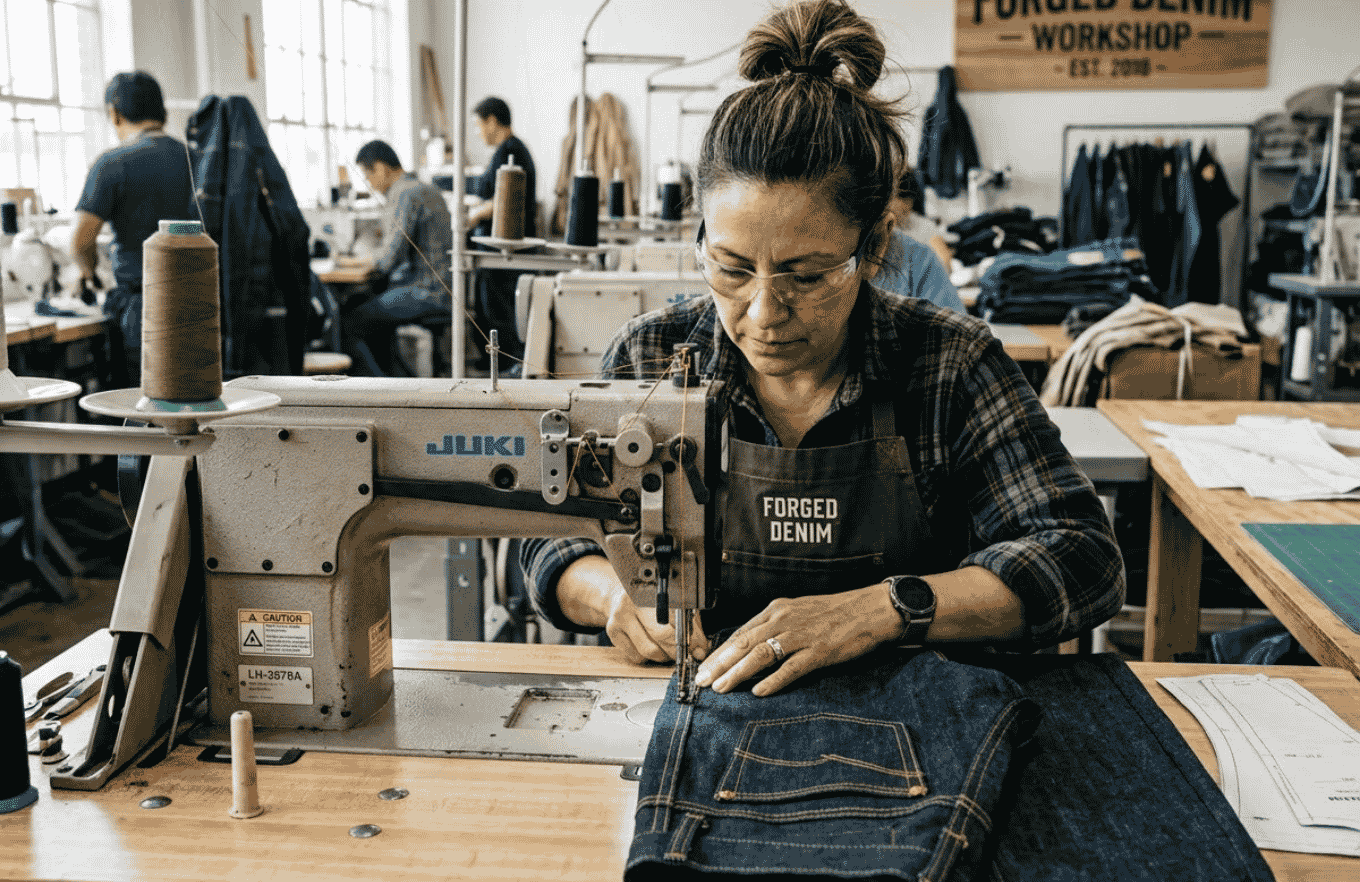
The future will favor businesses that can demonstrate measurable improvements rather than simply using sustainability as a marketing message. Energy use, waste reduction, material sourcing, production efficiency, and workforce practices can all contribute to a more complete sustainability picture.
The future of Sustainable Apparel will depend on collaboration between brands, manufacturers, material suppliers, technology providers, and consumers. No single change can transform the industry overnight.
The long manufacturing history of Samad Group of Industries illustrates why sustainability and innovation need to develop alongside production capabilities. With dedicated R&D, diversified manufacturing operations, and a focus on continuous improvement, long-term industry experience can provide a foundation for responding to changing buyer expectations.
For fashion businesses, this broader approach matters because sustainable production is increasingly connected to quality, efficiency, compliance, and competitiveness rather than being treated as a standalone environmental objective.
The post-pandemic apparel industry is moving toward greater accountability, efficiency, and innovation. Sustainable Apparel will increasingly depend on better materials, smarter production, transparent supply chains, and garments designed with long-term value in mind. For businesses preparing for the future, sustainability should become part of everyday manufacturing decisions rather than a separate initiative.
Partner with Samad Group for apparel manufacturing solutions focused on responsible production, quality, innovation, efficiency, and the evolving needs of global fashion brands.
Sustainable Apparel has gained importance as consumers and brands place greater value on responsible materials, durability, resource efficiency, transparent sourcing, and environmentally conscious production.
Manufacturers can improve sustainability through efficient machinery, waste reduction, responsible material sourcing, better production planning, recycling systems, quality control, and measurable resource management.
Material innovation, digital production technology, supply chain transparency, resource efficiency, responsible sourcing, workforce practices, and stronger environmental standards will influence future apparel manufacturing.