
July 2, 2026
Choosing an industrial adhesive manufacturer is not just about comparing prices or product lists. The real difference between a reliable supplier and an average one shows up in technical details that many buyers overlook. A structured technical questionnaire helps uncover those details early, reducing production risks and ensuring consistent bonding performance across applications.
When industries depend on adhesives for furniture, footwear, packaging, or automotive assembly, even small inconsistencies can lead to failures. That is why procurement teams and engineers rely on detailed evaluation frameworks before final selection.
Understanding the technical questionnaire used for evaluating an industrial adhesive manufacturer helps businesses make informed, performance-driven decisions instead of assumptions.
A technical questionnaire is essentially a structured set of questions designed to evaluate formulation quality, production standards, and application compatibility.
It helps identify whether an adhesive supplier can meet real-world industrial requirements such as heat resistance, bonding strength, and long-term durability. Without it, companies often rely on marketing claims that may not reflect actual performance.
In industries where precision matters, this step becomes essential. It ensures that the selected partner understands material behavior and production challenges at scale.
A strong questionnaire focuses on technical performance rather than surface-level promises. Below are the key areas that should always be included.
Understanding what goes into the adhesive is the foundation of evaluation. Buyers should ask about:
● Polymer base type and formulation structure
● Solvent-based or water-based systems
● Additives used for flexibility, strength, or heat resistance
This helps determine whether the adhesive aligns with the intended industrial application, such as wood bonding, footwear assembly, or laminate production.
The same evaluation process is especially important when sourcing Contact Adhesive for Furniture, where bonding performance, flexibility, and durability directly affect product quality.
Performance data is critical. A professional supplier should provide measurable results such as:
● Tensile strength values
● Peel resistance levels
● Shear strength under stress
These metrics allow engineers to compare products scientifically rather than relying on verbal claims.
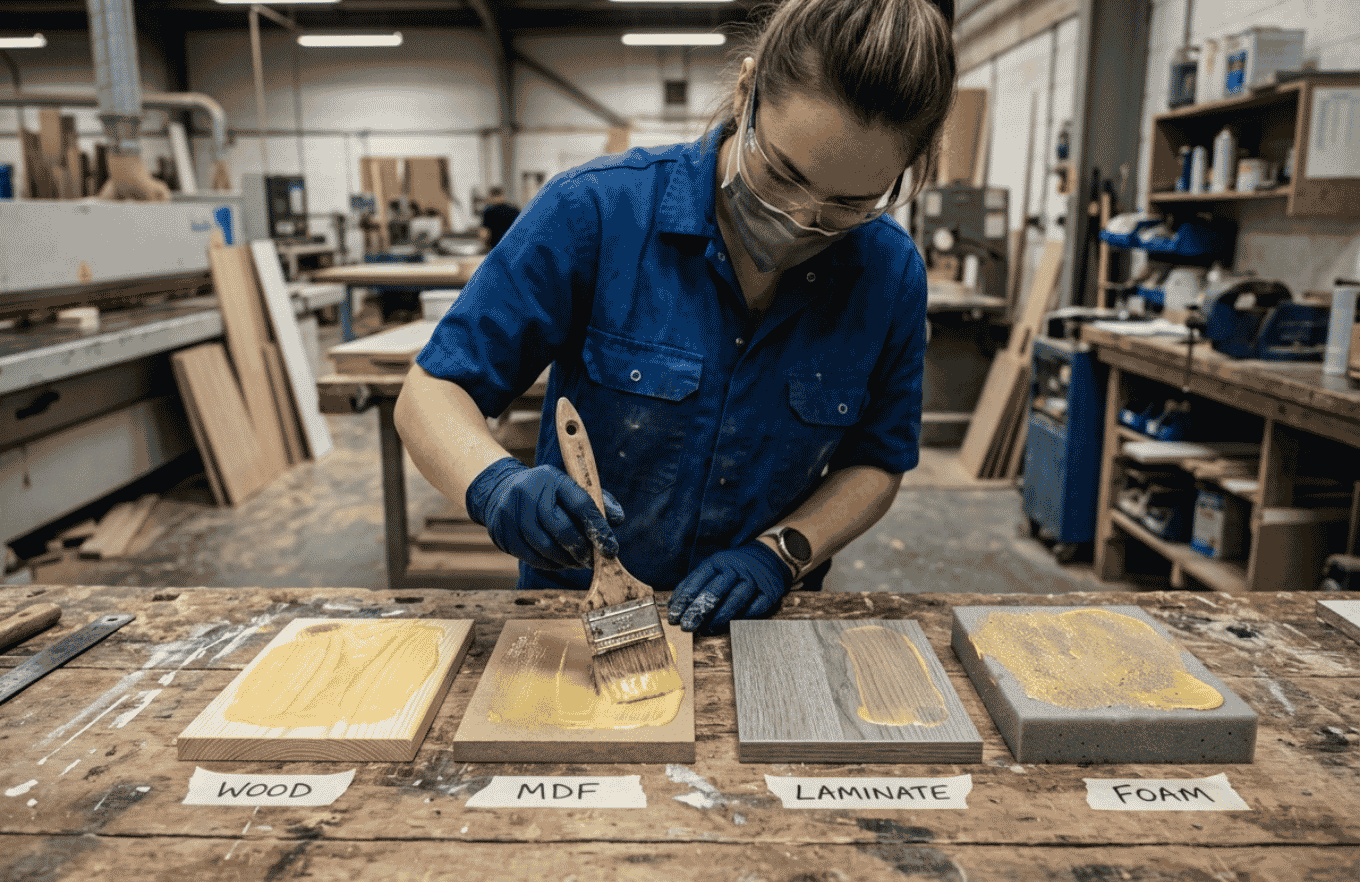
Not all adhesives perform equally across materials. The questionnaire should confirm compatibility with:
● Leather, synthetic fabrics, and foam
● Wood-based panels and laminates
● Rubber, PVC, and EVA-based materials
This ensures smooth integration into existing production lines without frequent adjustments.
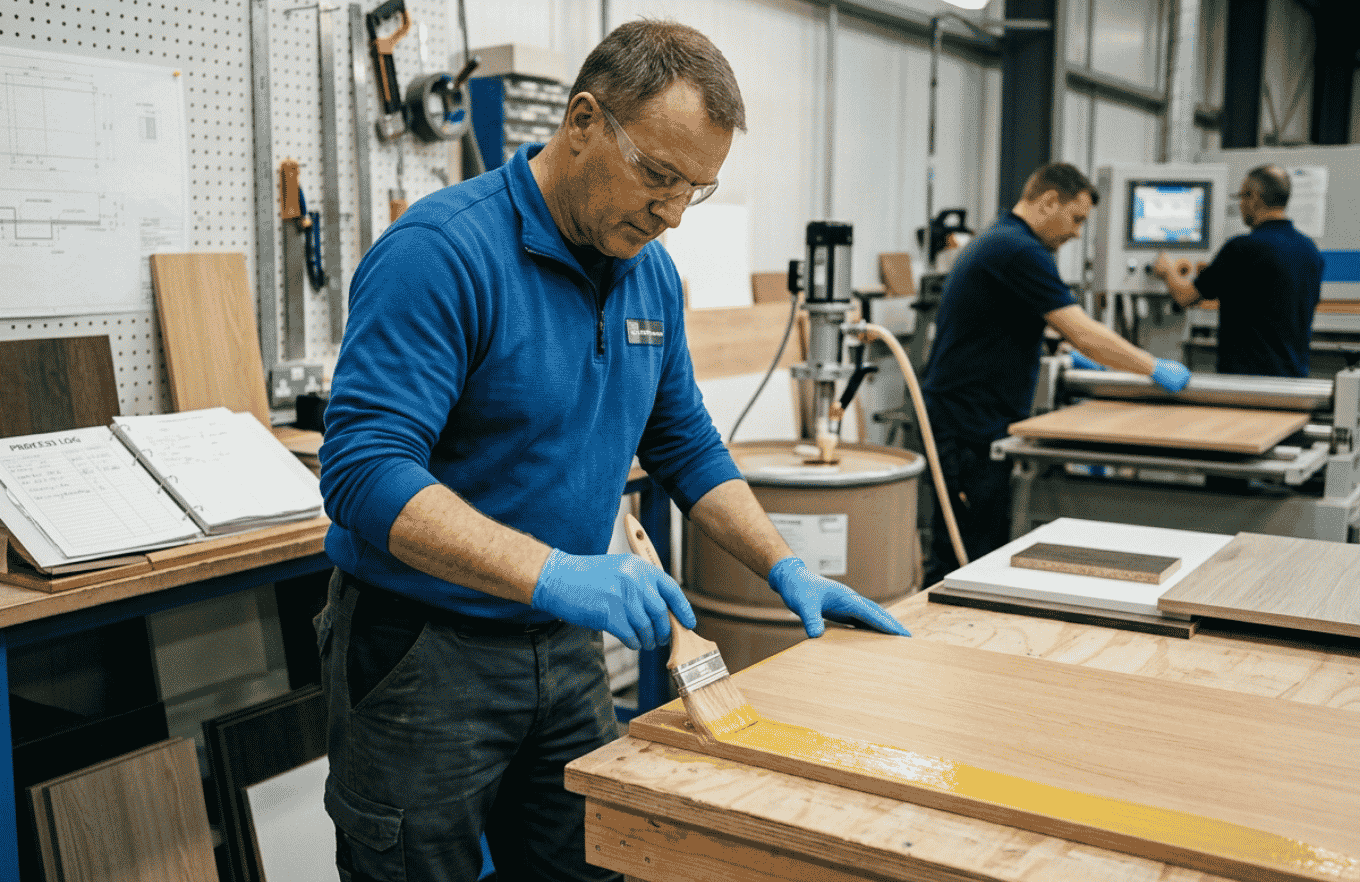
Beyond product formulation, production consistency plays a major role in reliability.
A reliable industrial adhesive manufacturer must follow strict QA protocols. These often include batch testing, viscosity control, and aging tests.
Manufacturers that document their quality systems demonstrate transparency and long-term stability in supply.
Industries grow quickly, and supply shortages can disrupt entire operations. The questionnaire should evaluate:
● Monthly production capacity
● Scalability during peak demand
● Lead times for bulk orders
This ensures the supplier can support both small and large-scale operations without delays.
Modern industries are increasingly focused on safety and environmental responsibility.
Buyers should confirm whether the supplier meets relevant chemical safety regulations and industry certifications. This includes handling, storage, and transportation compliance.
Sustainable production is becoming a key requirement. Many manufacturers now offer low-VOC or eco-friendly formulations that reduce environmental impact without compromising performance.
A responsible supplier will always be transparent about material sourcing and environmental footprint.
A supplier’s role does not end after product delivery. Technical support is equally important.
Strong suppliers provide on-site or remote support for adhesive application processes. This includes guidance on curing time, temperature settings, and surface preparation.
This reduces production errors and improves efficiency on the shop floor.
An experienced supplier acts more like a technical partner than a vendor. Over time, they help optimize adhesive usage, reduce waste, and improve cost efficiency.
Some global brands, including those working with partners like Samad Group of Industries, prioritize this long-term technical collaboration model.
Many companies rush the selection process and make avoidable errors such as:
● Focusing only on price instead of performance data
● Ignoring compatibility testing on real materials
● Overlooking production consistency reports
● Skipping technical validation trials
Avoiding these mistakes significantly improves manufacturing reliability and product quality.
A well-structured questionnaire should balance technical, operational, and strategic factors. The goal is not just to choose a supplier but to build a stable production partnership.
Some procurement teams even benchmark multiple suppliers, including established names like Samad Group, to understand market standards before finalizing contracts.
This structured approach reduces uncertainty and ensures long-term production stability.
Reach out today to evaluate your adhesive requirements with expert guidance and choose solutions that improve performance, reliability, and production efficiency for your industry needs.
Selecting the right adhesive partner is a technical decision that directly affects product quality and operational efficiency. A structured questionnaire helps filter out uncertainty and highlights suppliers capable of delivering consistent performance.
When evaluated properly, factors like chemistry, compliance, scalability, and support create a clear picture of long-term suitability. This approach not only reduces production risks but also strengthens supply chain reliability.
It is a structured checklist used to evaluate an industrial adhesive manufacturer’s product quality, performance data, and production standards.
Bond strength data shows how well the adhesive performs under stress, helping ensure durability in real industrial applications.
Strict quality control ensures consistency in formulation, reducing defects and maintaining stable bonding performance across production batches.