
February 6, 2026
Sustainability has become a driving force in the global fashion industry, and denim jeans manufacturers are at the forefront of this change. As environmental awareness grows, consumers demand responsible production, while brands seek to implement ethical strategies that reduce waste, lower carbon footprints, and ensure safe labor practices. Today, modern denim jeans manufacturers integrate sustainability at every stage, from sourcing raw materials to finishing processes, while delivering high-quality garments that meet fashion and environmental standards. The role of Samad Group in promoting sustainable apparel highlights how traditional practices can evolve into responsible, modern approaches without compromising style or durability.
By focusing on sustainable practices, manufacturers are not only reducing environmental impact but also creating transparent, trustworthy production cycles that appeal to conscious consumers. From chemical-free dyeing to ethical sourcing and waste reduction, these practices set a benchmark for the entire apparel industry.
The foundation of sustainable apparel starts with materials. Leading denim jeans manufacturers prioritize ethically sourced cotton, recycled fabrics, and low-impact dyes. This approach ensures that every product supports environmental protection and promotes fair treatment of workers in the supply chain. Samad Group consistently adopts these practices, emphasizing that sustainability begins at the very first stage of production.
Many manufacturers now explore organic cotton that avoids harmful pesticides, reducing water contamination and promoting healthier ecosystems. By sourcing responsibly, denim jeans manufacturers also support community development and ethical labor practices. This conscious approach ensures that sustainability isn’t just a marketing tagline but a tangible, measurable impact on the industry.

One of the most critical challenges in denim manufacturing is water and energy consumption. Progressive denim jeans manufacturers have adopted innovative technologies to minimize environmental impact while maintaining production efficiency. Methods such as waterless dyeing, enzyme-based washing, and energy-efficient machines significantly reduce resource usage. Samad Group integrates these advanced techniques in its operations, demonstrating that sustainability can coexist with high-quality output.
For instance, laser and ozone treatments now replace traditional washing methods, cutting water use by up to 70% and chemicals by 50%. These steps not only reduce operational costs but also position brands as leaders in eco-conscious fashion, reinforcing the global shift toward sustainable apparel.
Modern denim production emphasizes a circular economy where waste is minimized, and every material is utilized efficiently. Denim jeans manufacturers implement strategies such as fabric offcut recycling, production scrap reuse, and zero-waste cutting techniques. Samad Group exemplifies these practices by transforming scraps into new textiles or home-use products, creating value from what would otherwise become landfill.
These initiatives allow manufacturers to reduce environmental impact while maintaining profitability. By embedding circular principles into production, sustainable apparel moves beyond a trend into a necessary framework for responsible manufacturing.
Sustainability in fashion isn’t limited to the environment; it extends to ethical labor practices. Leading denim jeans manufacturers ensure safe working conditions, fair wages, and employee welfare programs. By fostering a culture of respect and fairness, companies like Samad Group enhance both productivity and social responsibility.
Ethical practices may include regular safety training, adherence to labor laws, and health benefits. When employees are treated fairly, it positively impacts product quality and brand reputation, making sustainability a comprehensive effort that includes people, planet, and profit.
To further reduce environmental impact, denim jeans manufacturers are experimenting with innovative finishing techniques. Waterless stone washing, laser engraving, and natural enzyme treatments are replacing traditional methods that consume excessive water and chemicals. These processes create stylish finishes without compromising sustainability goals. Samad Group has been an early adopter of such technologies, highlighting that ethical manufacturing can align with modern trends and consumer expectations.
Transparency is a key component of sustainable apparel. Consumers increasingly want to know where materials come from and how garments are made. Denim jeans manufacturers maintain traceable supply chains to verify ethical sourcing, monitor environmental impact, and ensure compliance with global standards. By investing in transparency, companies like Samad Group gain trust and loyalty while reinforcing their commitment to responsible production.
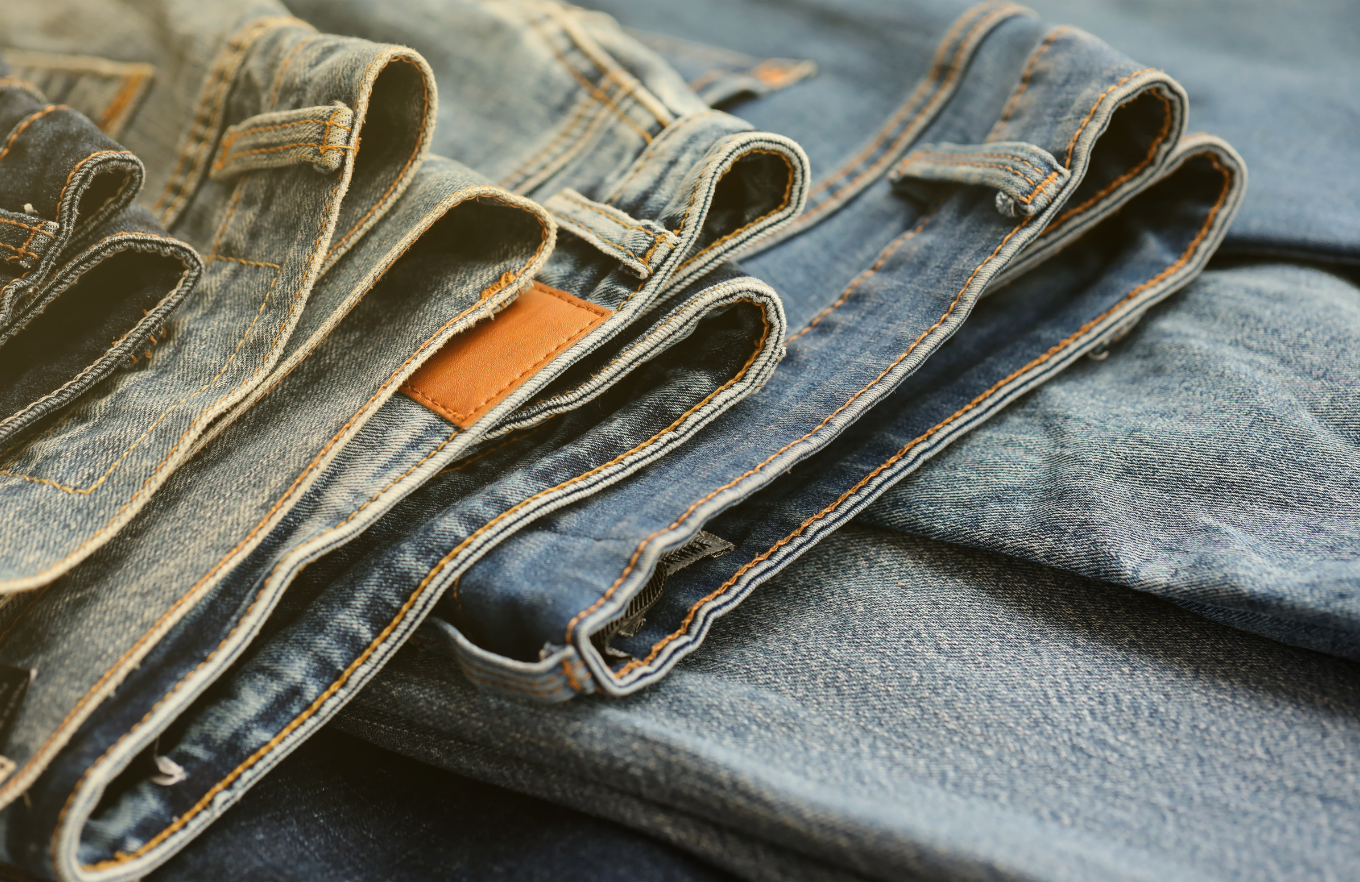
Sustainable apparel is no longer a choice; it’s the standard for modern denim jeans manufacturers. With increasing consumer demand for eco-friendly, ethically produced clothing, brands must adopt responsible practices to stay competitive. By integrating ethical material sourcing, energy-efficient production, waste reduction, and fair labor practices, companies like Samad Group set benchmarks for the future of fashion.
Contact Samad Group today to explore sustainable apparel solutions and elevate your denim jeans production responsibly. Partner with experts now for transformative results.
The shift toward sustainability in the denim industry is driven by denim jeans manufacturers committed to ethical practices. By prioritizing eco-friendly materials, innovative processes, and fair labor, the industry can produce high-quality garments while reducing environmental impact. Samad Group exemplifies these practices, showing that modern apparel can balance style, quality, and responsibility.
They use ethically sourced fabrics, water-saving techniques, circular production methods, and fair labor policies to reduce environmental impact.
Samad Group integrates eco-friendly materials, ethical labor, and energy-efficient processes to lead responsible denim manufacturing in Pakistan.
Transparent supply chains ensure ethical sourcing, build consumer trust, and verify compliance with sustainability and labor standards.