
October 2, 2026
Fashion is changing fast, and businesses are no longer judged only by style, quality, or price. Sustainable Apparel is becoming a practical business strategy that connects responsible production with long-term commercial value. From smarter material choices to better resource management, sustainability can influence how efficiently a company operates and how customers perceive its products. For growing fashion businesses, the question is no longer whether sustainability matters, but how effectively it can be built into production. In this blog, we explore why sustainable practices can make financial sense, where businesses can gain efficiency, and how responsible manufacturing can support stronger market positioning.
At first glance, switching toward sustainable production may appear more expensive. However, the real calculation goes beyond the initial cost of materials or machinery. Efficient production can reduce unnecessary resource consumption, material waste, and repeated processing.
For example, better fabric planning can reduce cutting waste, while efficient machinery can help manage energy consumption. Furthermore, recycling systems can give production waste another purpose instead of treating it entirely as a disposal cost.
This creates an important business advantage: sustainability can gradually become part of operational efficiency rather than an additional expense. Samad Group's website highlights initiatives involving regular testing, modern machinery, and integrated recycling systems as part of its environmental efforts.
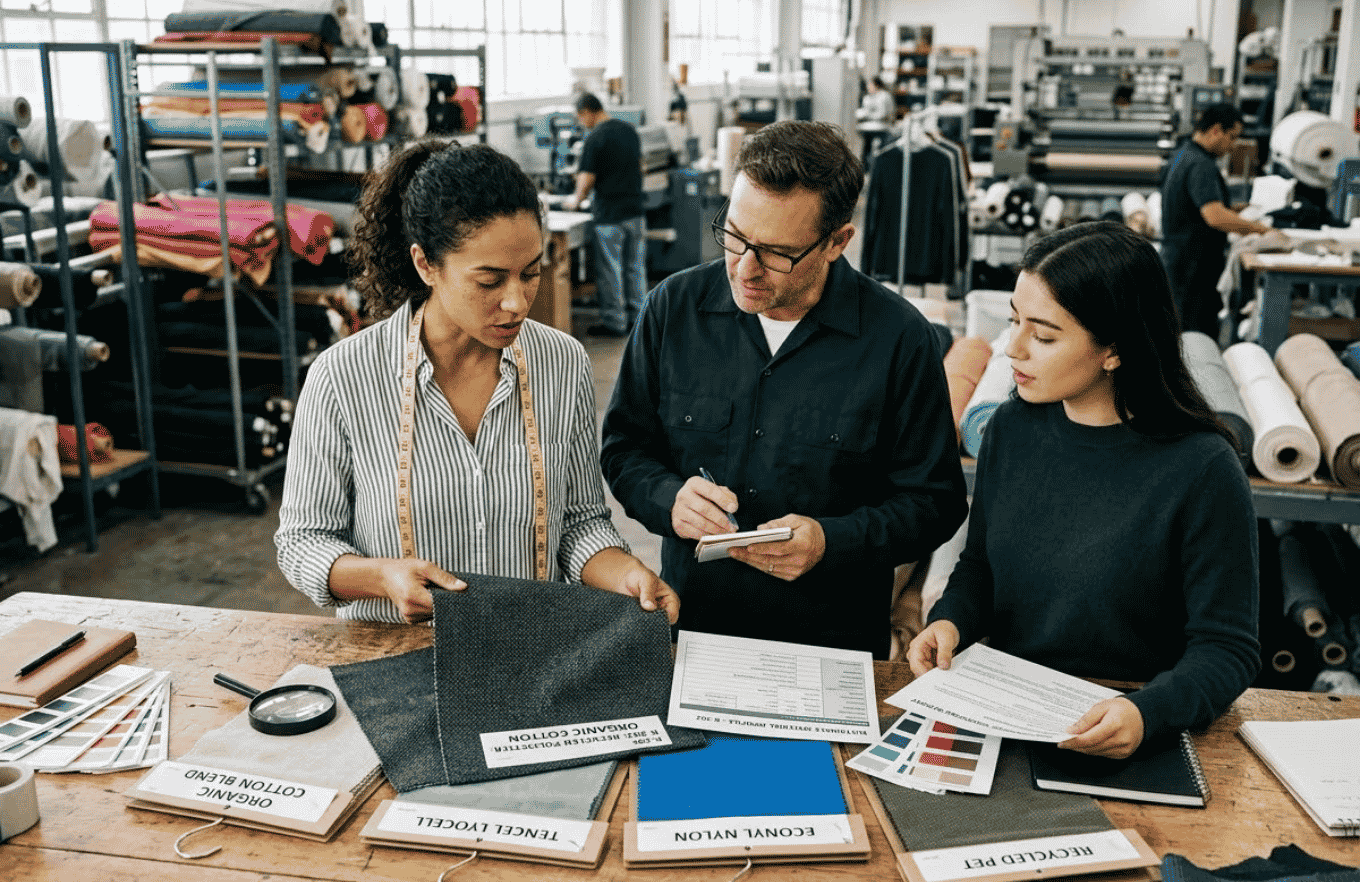
Material selection plays a major role responsibly. Organic fibers, recycled materials, and more carefully sourced fabrics can help businesses respond to changing customer expectations.
For Apparel Manufacturers in Pakistan, this shift also creates opportunities to serve international buyers who increasingly evaluate environmental and social practices alongside product quality.
Today's consumers often want more information about what they purchase. They may ask where garments were made, what materials were used, and whether production considers environmental responsibility.
Consequently, investing in Sustainable Apparel can give brands a stronger story to communicate. Instead of competing only on price, businesses can highlight responsible materials, thoughtful manufacturing, durability, and quality.
Sustainability can also influence business relationships. International buyers increasingly look for manufacturing partners capable of meeting defined environmental and compliance expectations.
For Apparel Manufacturers in Pakistan, this creates a clear opportunity to improve their competitiveness by developing production systems that align with global expectations. Samad Group of Industries, for example, presents sustainability, customer satisfaction, and quality as important elements of its broader manufacturing approach.
Moreover, Samad Group has built its apparel operations around denim and twill garments, giving businesses an example of how specialized manufacturing and responsible production can work together.
Water, energy, fabric, chemicals, and packaging all affect manufacturing costs. Reducing unnecessary consumption therefore has both environmental and financial implications.
A company that uses resources more carefully can improve production efficiency while reducing avoidable losses. Furthermore, waste reduction can make production planning more predictable.
This is where Sustainable Apparel becomes more than an environmental concept. It can influence purchasing, production planning, quality control, and supply-chain decisions at the same time.
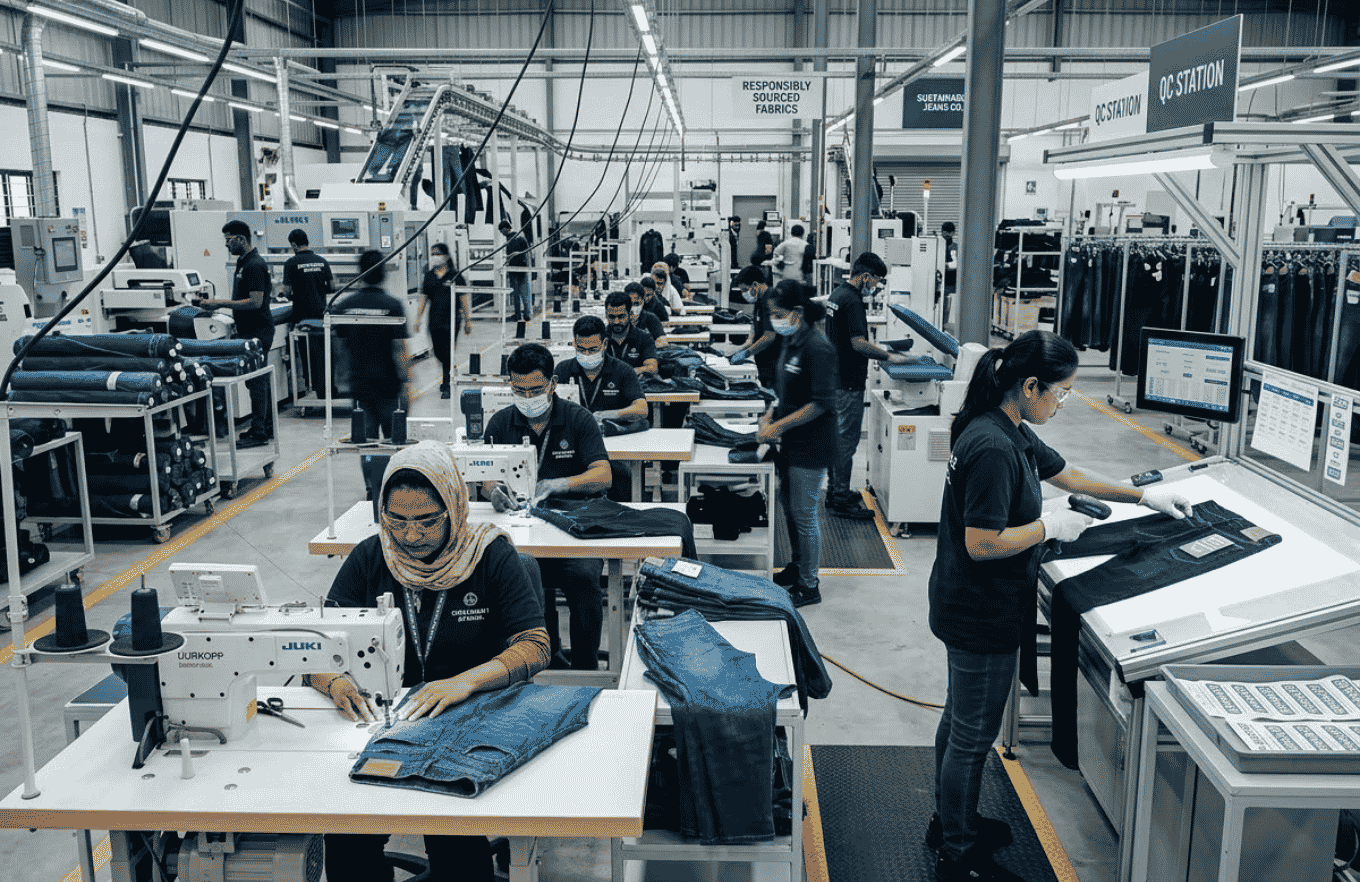
Business value is not limited to immediate production savings. A clear sustainability strategy can help a fashion brand establish a stronger identity and appeal to customers who value responsible choices.
Samad Group of Industries reflects this broader approach through its focus on sustainability alongside quality and customer satisfaction.
Most importantly, sustainability works best when it is treated as an ongoing business practice rather than a marketing label. Businesses that connect responsible sourcing, efficient production, product quality, and transparent communication can create value that lasts beyond a single season.
The business case for Sustainable Apparel is becoming increasingly practical. Better resource use, reduced waste, stronger customer appeal, and improved market positioning can all contribute to long-term competitiveness.
For companies working with Apparel Manufacturers in Pakistan, the opportunity is especially significant as global buyers continue to place greater emphasis on responsible manufacturing. Samad Group demonstrates how apparel manufacturing can combine production capabilities with sustainability-focused practices.
Contact Samad Group today to explore apparel manufacturing solutions that combine quality, efficiency, sustainability, and long-term business value.
Sustainable apparel can help businesses reduce waste, improve resource efficiency, strengthen brand positioning, and respond to changing customer expectations.
They can support sustainable production through responsible material sourcing, waste reduction, efficient manufacturing processes, recycling initiatives, and stronger compliance practices.
Yes. Efficient resource use, lower material waste, improved production planning, and recycling can contribute to cost savings over time.